As Christmas party season gets into full swing, restaurants, pubs, cafés, and commercial kitchens across the UK are busier than ever. Bookings spike, menus contain richer food options, and kitchens work at full capacity for hours a day. But behind the scenes, there’s a problem that quietly grows with every festive plate served… Your grease traps.
It’s not glamorous and most customers will never know it exists, but a neglected grease trap can cause serious disruption at the worst possible moment. With December being the busiest month for the hospitality industry, a blocked or overflowing grease trap doesn’t just mean a bit of mess – it can shut your kitchen down entirely.
Here’s why grease trap maintenance is more important than ever right now.
Why Grease Traps Matter
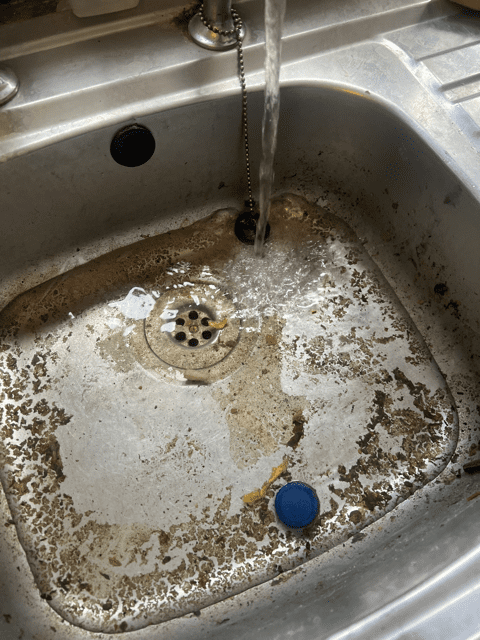
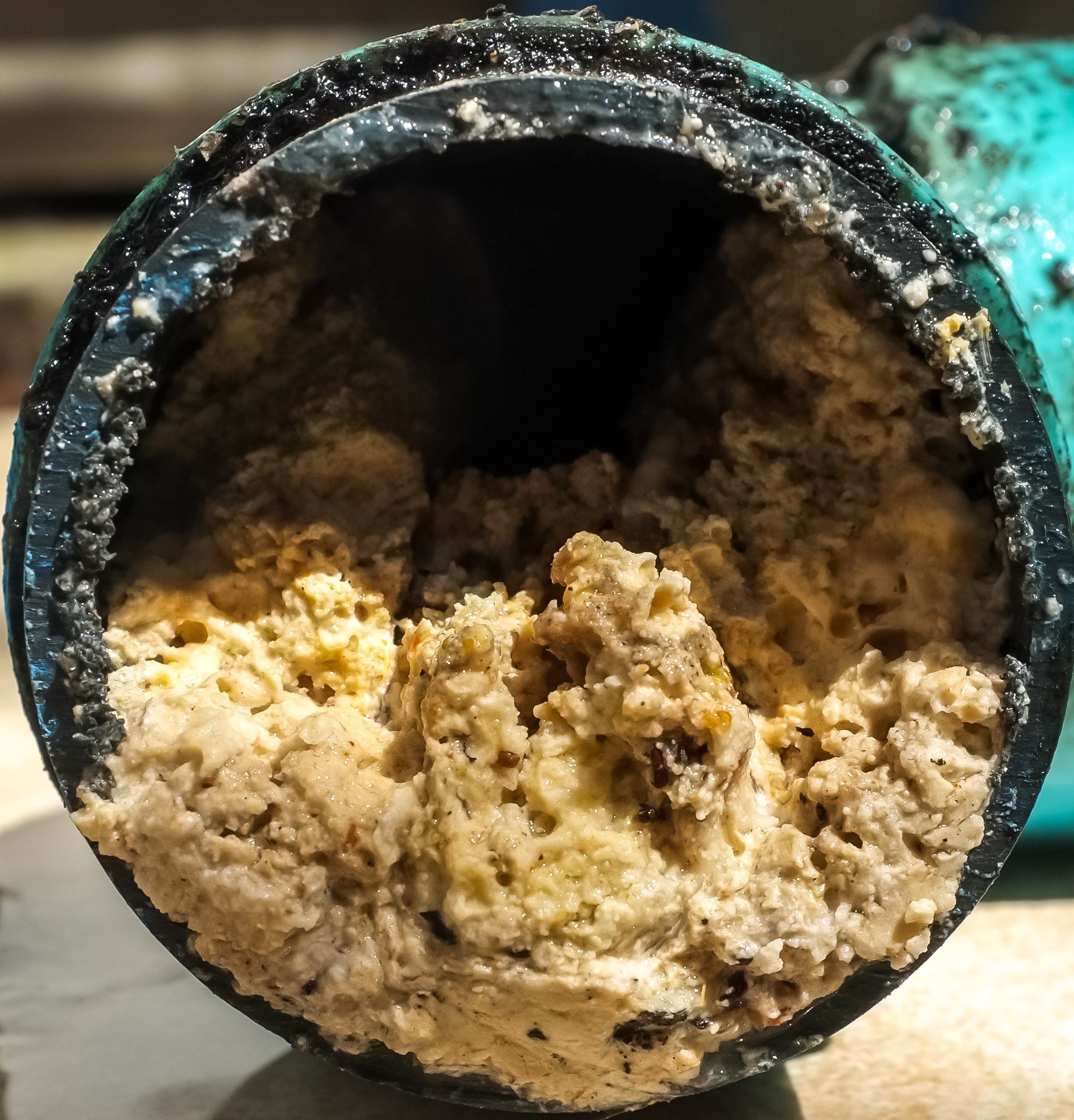
Grease traps are designed to stop fats, oils, and grease (FOG) from entering your drainage system. When they’re working properly, they protect your pipes and prevent blockages (as well as keeping your business compliant with environmental regulations).
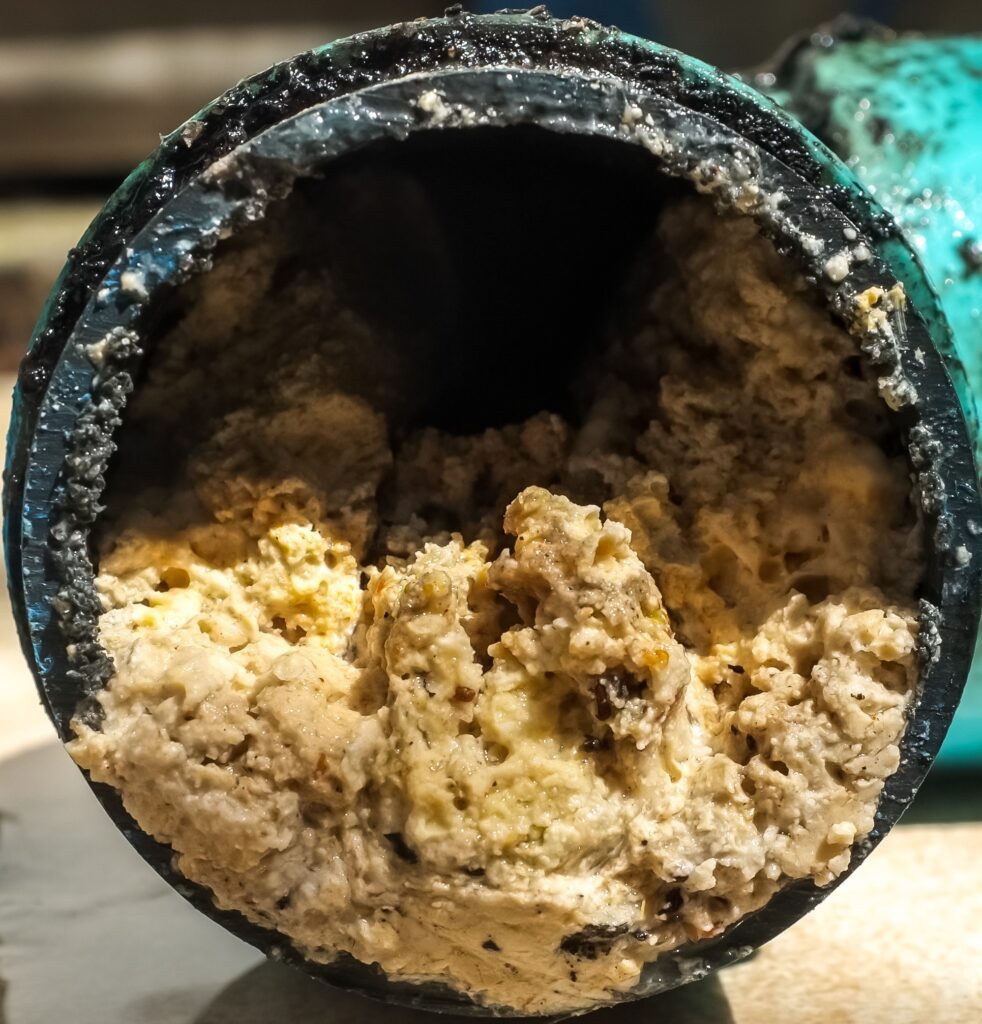
During peak season, the volume of FOG increases dramatically. Festive roasts, gravy-heavy dishes, and fried food all contribute to faster grease build-up.
When a grease trap isn’t emptied or maintained regularly, these problems quickly follow:
- Slow draining sinks
- Bad odours spreading into customer areas
- Backed-up pipework
- Kitchen downtime during your busiest trading period
- Risk of fines for improper FOG disposal
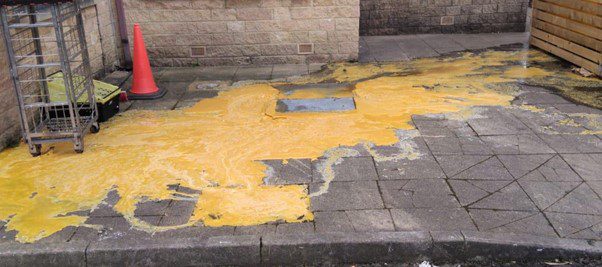
- Environmental harm caused by grease entering the drainage network.
A Christmas Disruption You Don’t Need
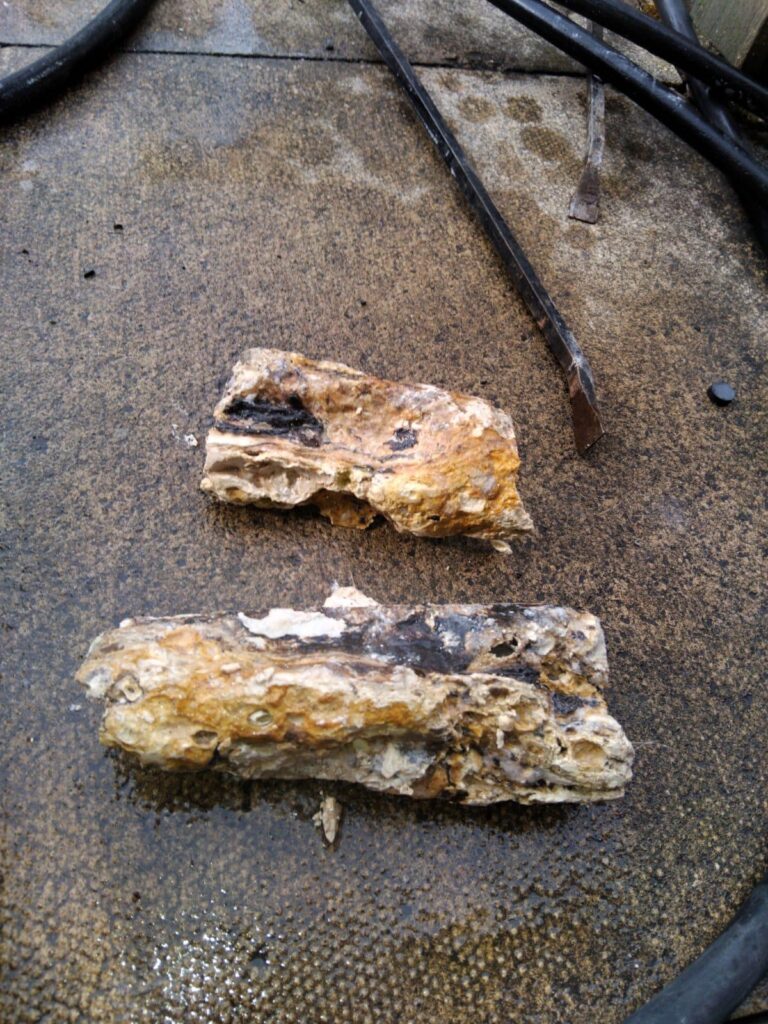
At DALROD, we see this every year. A kitchen running at full capacity, a fully booked December calendar, and suddenly a sink stops draining. As a quick fix you may be tempted to try hot water, plungers or even chemicals… but the real issue is sitting inside the grease trap, compacted and overflowing. This results in a closed kitchen, cancelled bookings, and lost income. The good news is, it’s completely preventable.
How Often Should Grease Traps Be Maintained?
- Every 2-4 months for moderate usage
- Monthly during high-volume periods
- Every 2-3 weeks for large restaurants, pubs with carveries, or high-grease menus.
If your kitchen hasn’t had its grease trap serviced recently, now is the time.
Environmental Impact Matters
Many hospitality businesses don’t realise that how you dispose of grease waste is just as important as keeping the traps clean. Dumping FOG down the drains or letting traps overflow can result in hefty fines and contribute to fatbergs in the sewer system.
DALROD handles all waste responsibly, ensuring your business stays full compliant and environmentally conscious.
Why Choose DALROD for Grease Trap Maintenance?
Our local teams across the UK offer:
- Fast, discreet service with minimal disruption
- Full grease trap cleaning, emptying, and inspection
- Proper, environmentally compliant disposal of all FOG waste
- 24/7 emergency response
- Planned maintenance visits (PPM) options to protect your business long term.
We have over 4 decades of experience working with pubs, cafés, takeaways, schools and commercial caterers.
Don’t Let Blocked Grease Traps Ruin the Festive Season
With Christmas bookings filling up, now is the perfect time to book a professional grease trap clean to ensure your kitchen stays safe, compliant and runs smoothly throughout Christmas and into 2026.
Get in touch with DALROD today to arrange a one-off clean or discuss PPM options tailored to your business.
Let’s keep the festive season flowing smoothly, so you and your staff can focus on delivering brilliant service, not battling blocked drains.