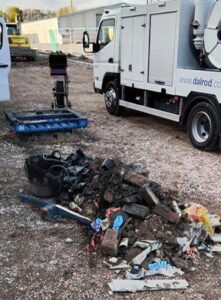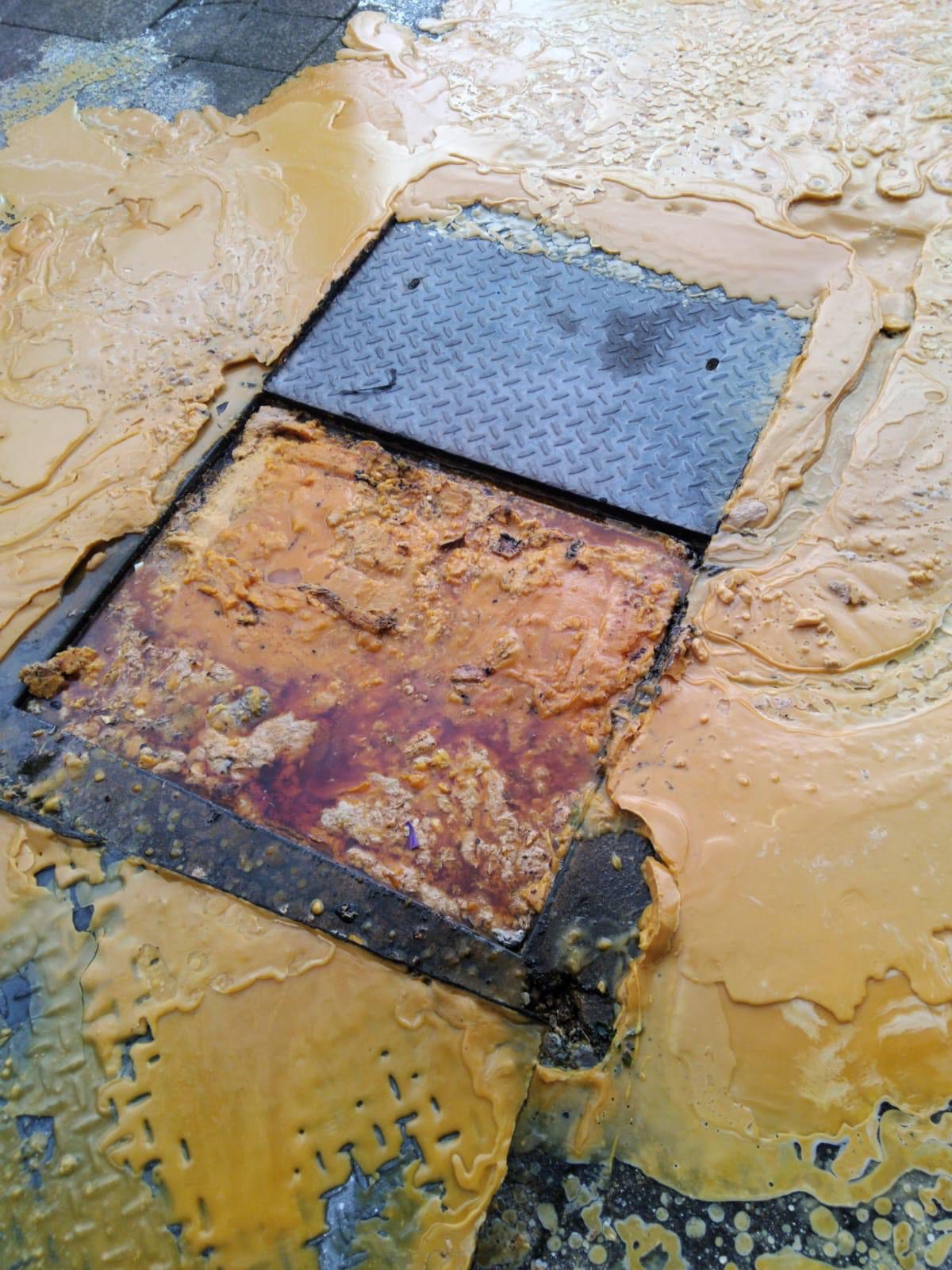
From a kitchen sink at home or a commercial kitchen in a restaurant, fats, oils and grease can cause serious drainage problems when they’re allowed to enter the drainage system.
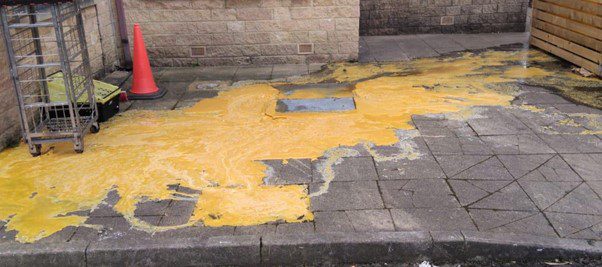
We’re all aware that pouring leftover cooking oil down the sink isn’t a good idea. However, when you’re dealing with the remains of a Sunday roast at home, or hundreds of meals being prepared in a restaurant, it’s easy to underestimate the damage that fats, oil and grease can cause.
Known as FOG (fats, oils and grease), these substances are a major contributor to drain blockages. Dealing with the consequences of these entering the system can be considerably more expensive than preventing them in the first place.
What happens to fat in your drains?
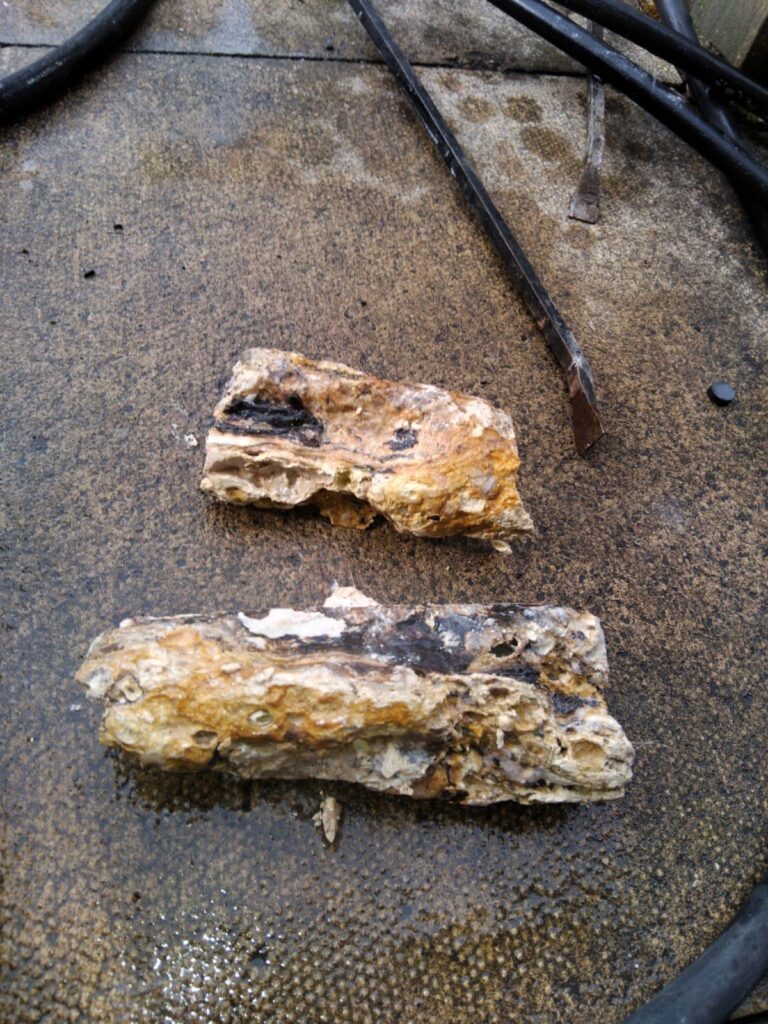
It might be liquid when it’s first disposed of, but once fat enters the drainage system, things change.
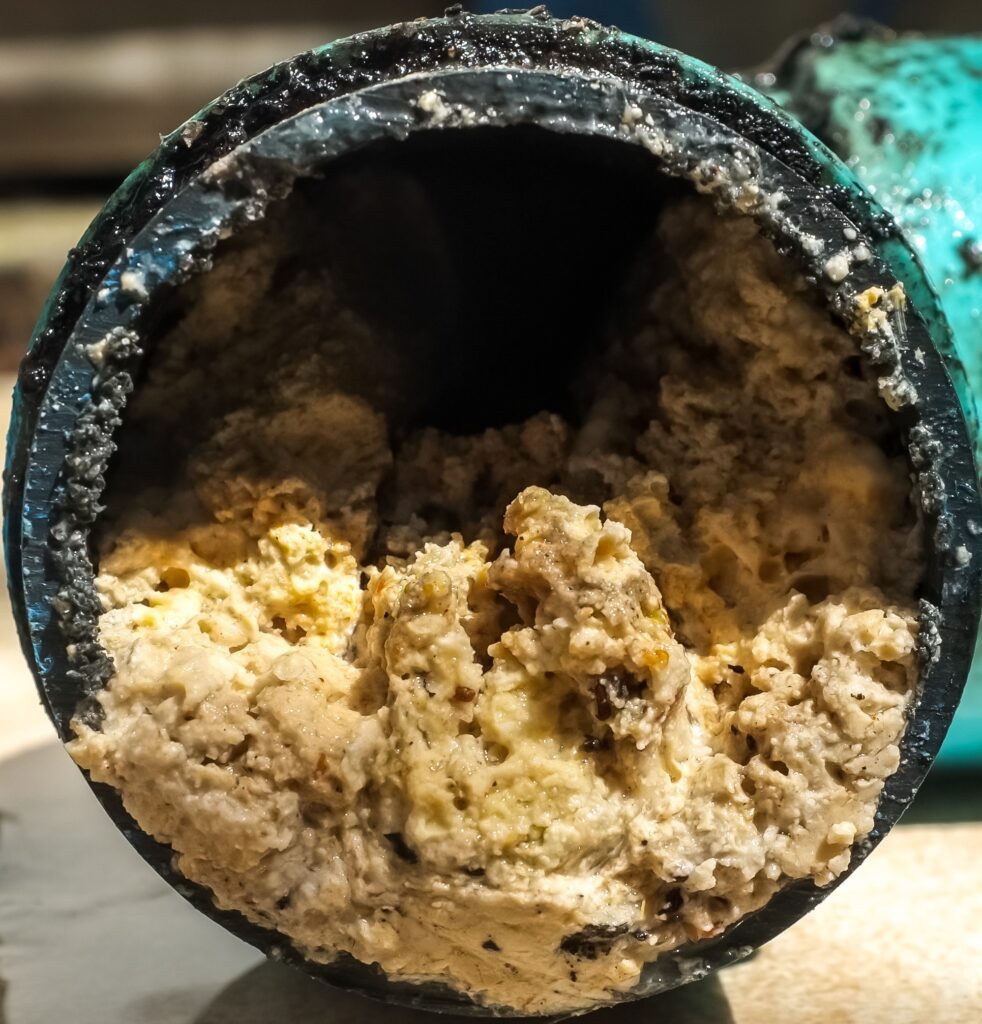
As fat cools, it can stick to the inside of pipes. Over time, other materials can become trapped in the buildup. This gradually restricts the flow of wastewater. Eventually, what started as a small amount of grease can contribute to a significant blockage. Deposits of fat can also combine and harden over time, resulting in a fatberg.
This isn’t necessarily the result of one huge mistake. It’s often the result of small amounts entering the drainage system repeatedly over weeks, months, or even years.
Why hospitality businesses need to take FOG seriously
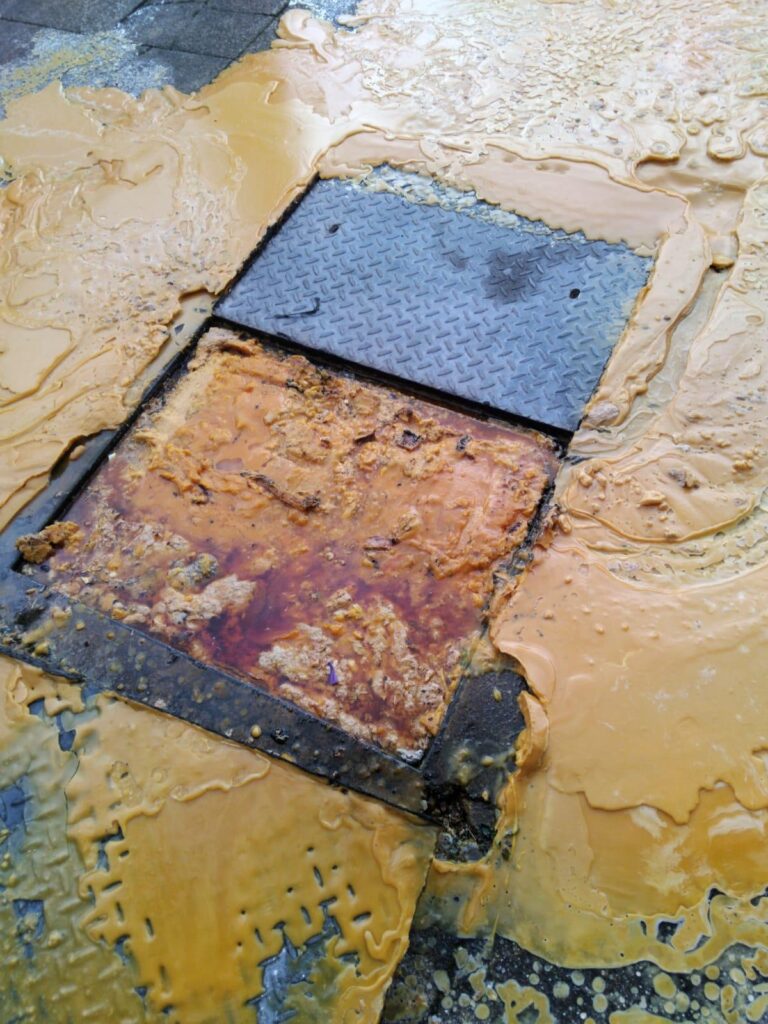
For hospitality businesses, a blocked kitchen drain can become a huge interruption to operations.
Disruption to food preparation, staff unable to work, hygiene concerns, and potential restaurant closure can all have a huge impact. For venues operating on tight schedules and high volumes, waiting for a blockage to happen before thinking about drainage maintenance can be a costly strategy.
Commercial kitchens often use grease traps to capture fats, oils and grease before they enter the wider drainage network, but installing the right equipment is only part of the solution. Grease management systems need to be appropriately maintained and cleaned, while drainage systems themselves may benefit from regular inspection and preventative maintenance.
The right strategy depends on the individual premises, drainage system and the volume of waste being produced. That’s why DALROD offers planned maintenance contracts tailored to your individual business needs.
FOG isn’t exclusively a restaurant issue
Hotels, care facilities, schools, staff canteens, and anywhere food is prepared can also produce significant quantities of fats and grease.
Even businesses without large scale kitchens can experience drainage problems if food waste and grease are regularly disposed of incorrectly.
 For homeowners
 For homeowners
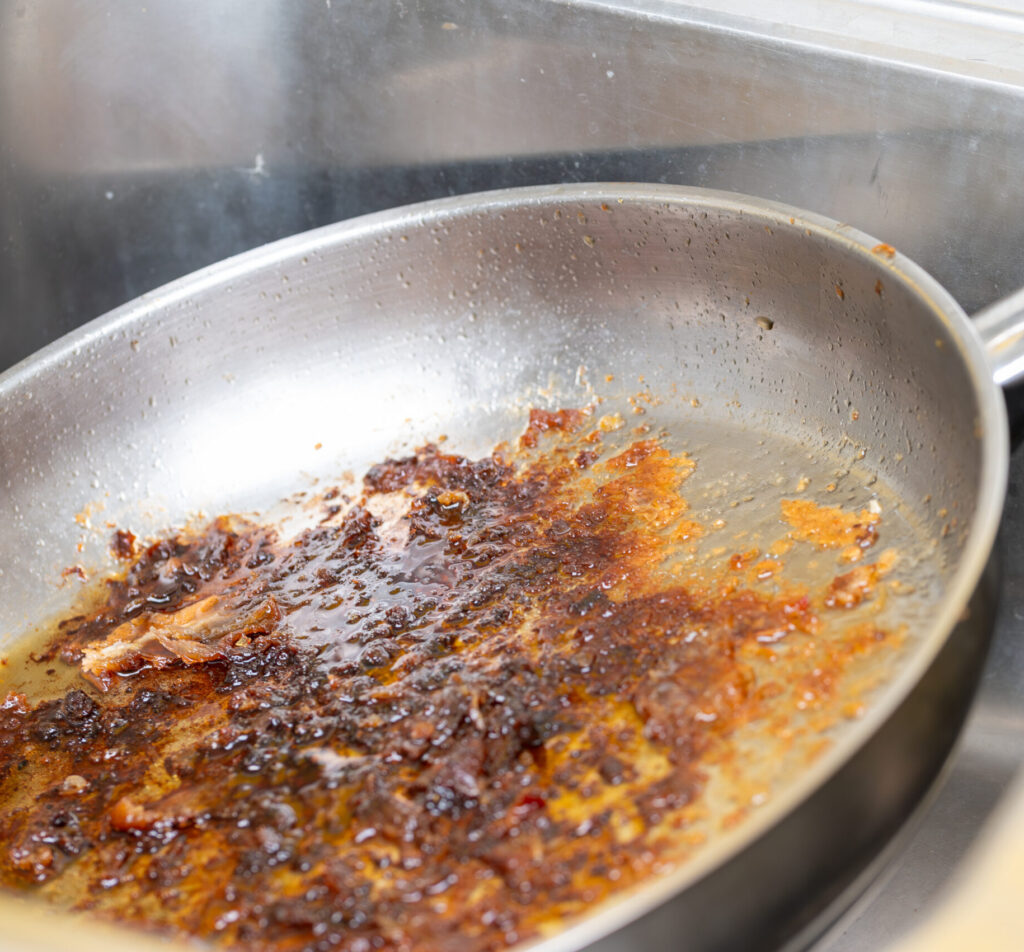
The same principles apply at home. You don’t need to be running a restaurant to create a grease-related drainage issue. A little oil from a frying pan may not seem significant, neither does the fat left in a roasting tray. However, repeatedly washing these substances down the sink can allow them to build up in your pipes.
Instead, allow cooking oils to cool, then collect in a suitable container for disposal according to your local waste guidelines.
For smaller amounts of grease, wiping items with kitchen roll before washing can help reduce what enters your drainage system.
Why hot water isn’t a magic solution
A common misconception is that running hot or boiling water down the sink after pouring grease away will solve the problem. Unfortunately, it isn’t that simple.
Hot water can help move grease further down the pipe, but as it cools, the grease can still stick to the pipework further along the drainage system. You’ve moved the problem rather than removed it.
The warning signs that you shouldn’t ignore
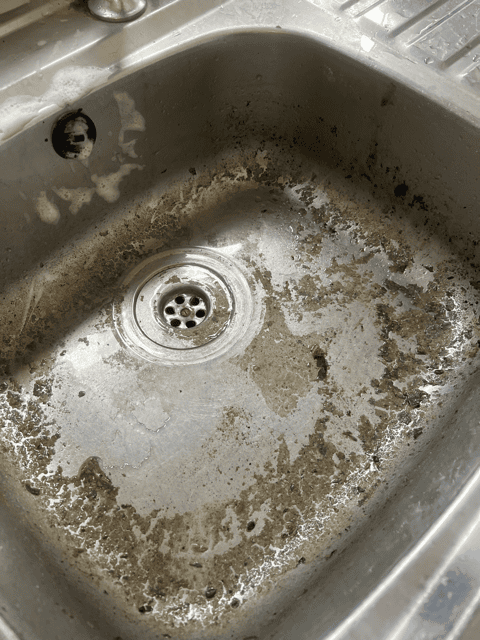
Whether you’re looking after your kitchen at home, or a busy commercial premises, your drainage system can give you warning signs before a complete blockage occurs.
Look out for:
- Slow draining sinks, particularly if the problem is becoming progressively worse.
- Unpleasant smells
- Gurgling sounds
- Recurring blockages
- Water backing up
What happens when prevention isn’t enough?
Sometimes a blockage has already developed, particularly in older or heavily used drainage systems.
DALROD’s professional drainage engineers can use techniques such as high-pressure water jetting to remove stubborn grease and other buildup from the pipework.
Where blockages are recurring, a CCTV drainage survey can help identify what is happening further along the system. This can also reveal issues such as damaged pipes, displaced joints, or significant buildup that may otherwise remain hidden underground.
The real cost of a blocked drain
For homeowners, the cost of dealing with a serious drainage problem can quickly extend beyond the initial call-out if there is damage to property or the underlying pipework needs repair.
For hospitality businesses, the potential cost is even broader.
There is the drainage work itself, but potentially also:
- Lost trading time
- Staff disruption
- Cancelled bookings
- Food waste
- Cleaning and remedial work
- Damage to property or equipment
- Reputational damage
Prevention starts in the kitchen
Whether you’re cooking dinner at home or serving hundreds of customers a day, the principle is the same:
What goes down the sink doesn’t simply disappear.
Dispose or FOG correctly, keep food waste out of the drains, and don’t ignore early warning signs.
For hospitality businesses, having appropriate grease management procedures and a planned maintenance programme can help reduce the risk of an unexpected blockage bringing your business to a standstill.
For homeowners, a few simple changes to what goes down the sink could prevent a much bigger problem further down the line.
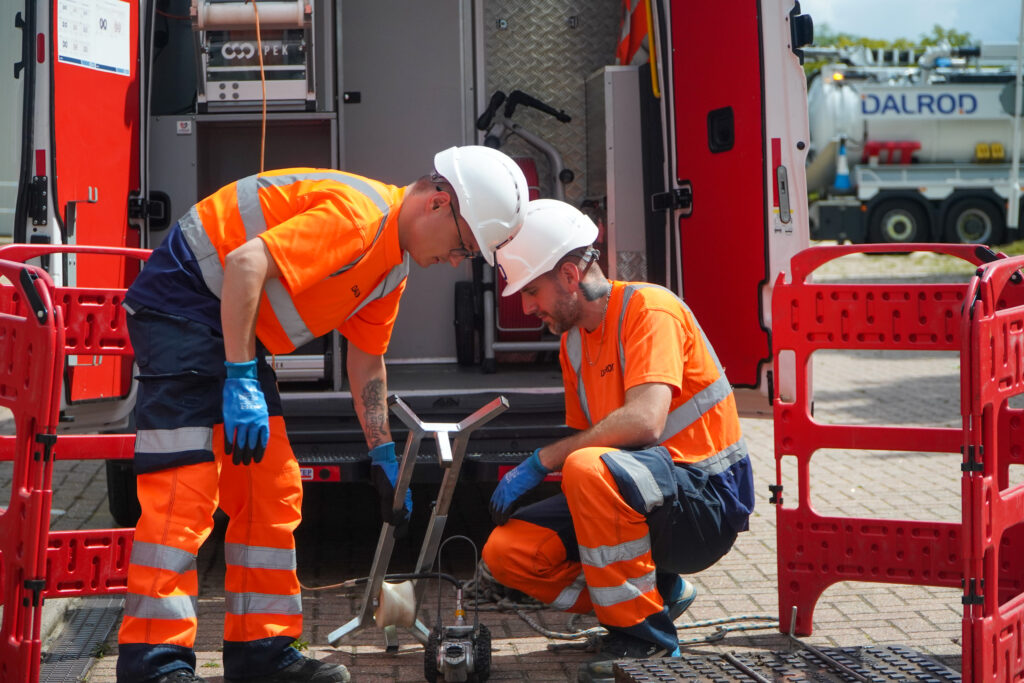
How DALROD can help
Despite following advice, sometimes emergencies do happen. That’s why DALROD’s network of local teams work 24/7 to deal with unexpected emergencies.
For more long-term solutions, speak to us about pre planned maintenance and grease management programmes.