For many commercial and industrial sites drainage maintenance only becomes a priority when something goes wrong. A blocked drain, overflowing toilet, or backed up system can quickly become an operational problem. Staff may be unable to use facilities, production could be disrupted, customer may be affected and, in some cases, damage can cause a complete stop to operations.
Reactive drainage response is essential when an unexpected problem occurs. However, for businesses that rely on their drainage systems every day, waiting for something to go wrong can be an expensive approach.
That’s where preventative maintenance, or pre-planned maintenance (PPM) can make a significant difference.
 Reactive Drainage
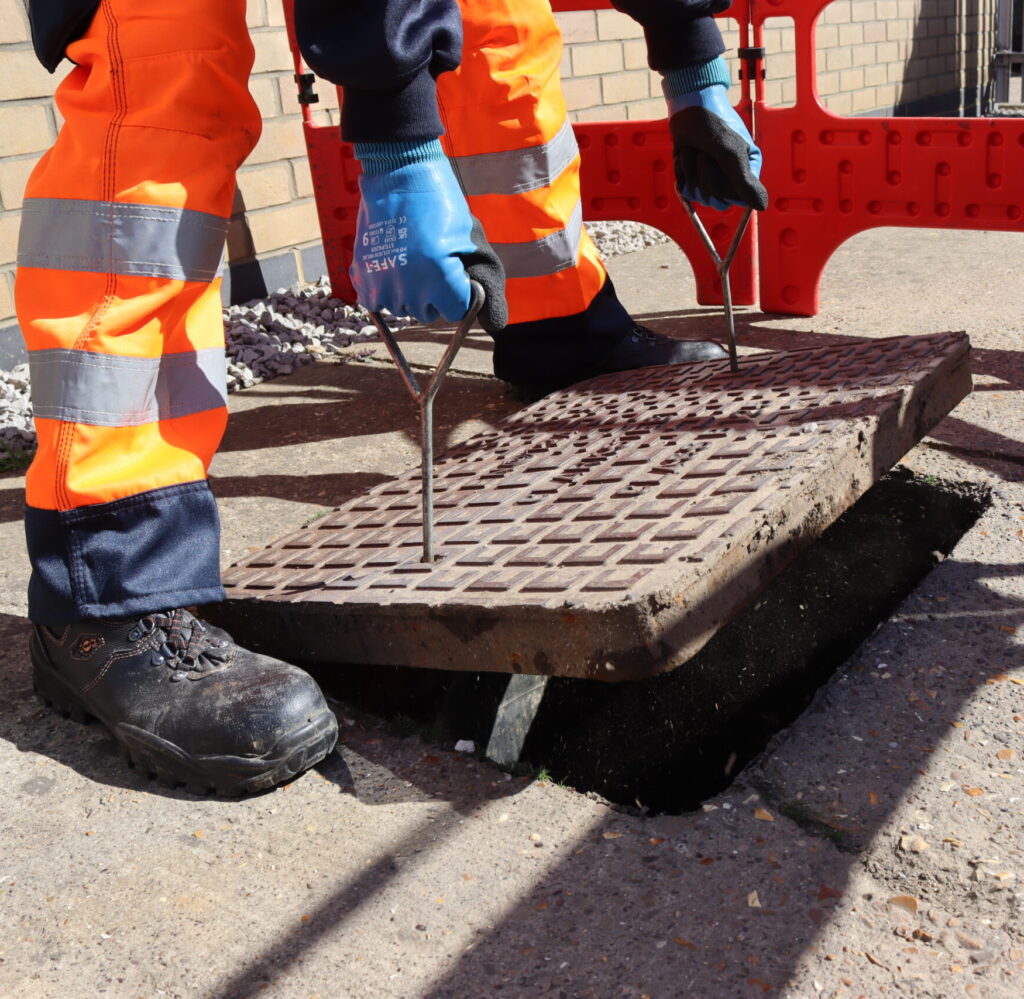 Reactive Drainage
Reactive maintenance means responding when a drainage problem has already occurred.
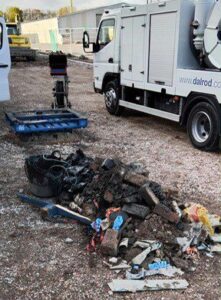
It could be a toilet blocked at a hotel, a flooded factory floor at an industrial site, or a drainage system that has stopped functioning properly. In these situations, a fast emergency response is vital. The longer a drainage issue is left, the greater potential for disruption, damage, and additional costs.
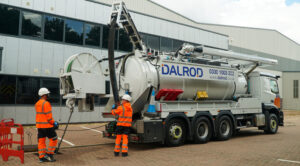
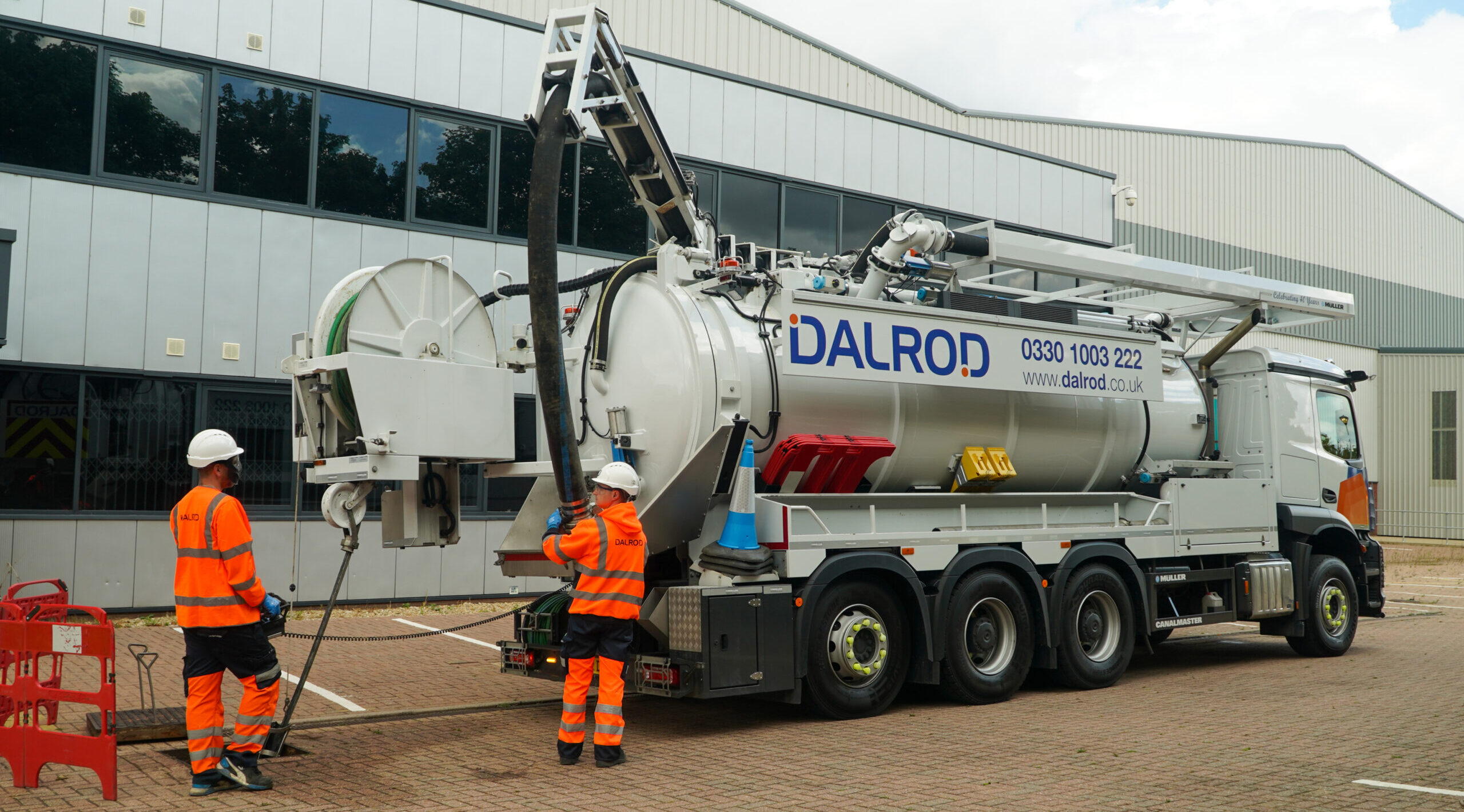
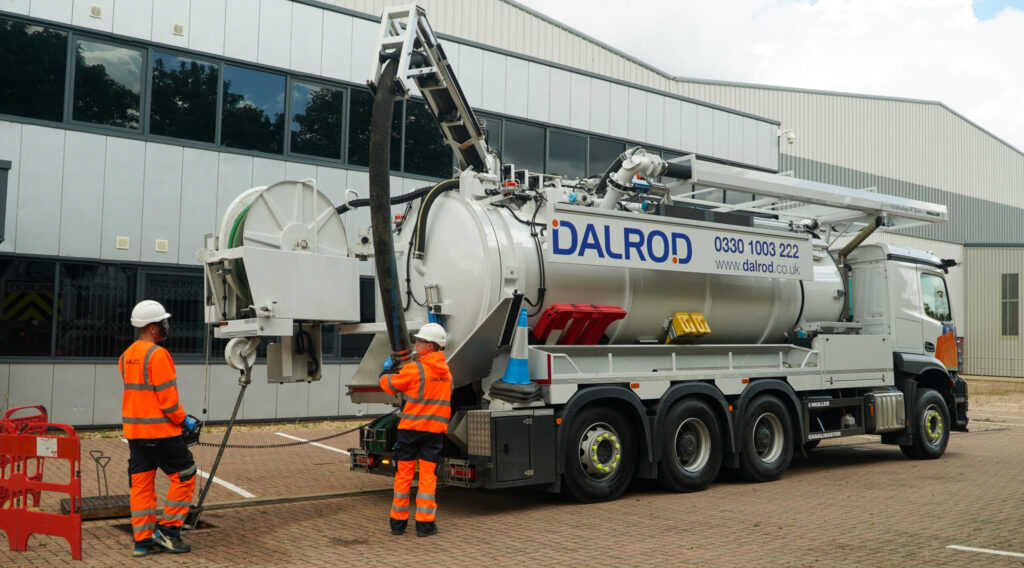
DALROD’s strategically placed network of local teams is ready to attend these instances 24/7. Our engineers can identify the immediate cause of the problem, clear the blockage and carry out any necessary work to get your site operational again.
Reactive drainage has an important place in any commercial drainage strategy; however, problems can appear when that becomes the only strategy.
The Case for Preventative Maintenance

With PPM, drainage systems are inspected and maintained at planned intervals rather than simply being dealt with when they fail. This allows for potential problems to be identified earlier, before they become major issues or emergencies.
For commercial and industrial sites, that can have a direct financial benefit.
Consider the difference between discovering a developing issue during a planned maintenance visit and discovering it because wastewater is already backing up across your site. The first can potentially be dealt with as part of planned maintenance. The second could involve emergency attendance, additional cleaning, damage repairs and lost production time.
PPM Helps Keep Drainage Problems Predictable
One of the biggest advantages of planned maintenance is that it gives businesses greater control over their drainage requirements. Maintenance can be scheduled around the operation of your site, rather than waiting for the emergency to dictate when work needs to take place.
Regular inspections can also help identify recurring problems. For example, a site may have a long history of blockages in a particular area. Instead of repeatedly paying to deal with the same emergency, a PPM programmed can help address the underlying issue and establish a maintenance schedule that suits the individual site.
This is particularly important for large commercial and industrial premises where drainage systems can be extensive and difficult to monitor without professional inspection.
Which Approach is Right for Your Site?
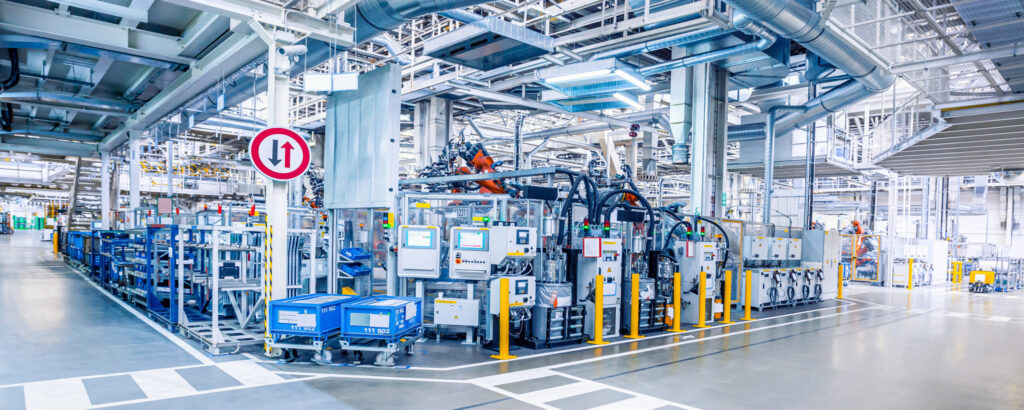
There isn’t a single maintenance schedule that works for every type of business. The right approach will depend on factors such as the size and age of the drainage system, how heavily it’s used, the type of site, and the consequences of a drainage failure.
For a smaller site with relatively straightforward drainage, reactive maintenance may be sufficient for most issues.
For larger or higher risk sites, however, PPM can provide greater control over maintenance costs and reduce the likelihood of an avoidable drainage emergency causing disruption.
The key is understanding the drainage requirements of the individual site rather than waiting until something goes wrong.
A More Proactive Approach to Drainage
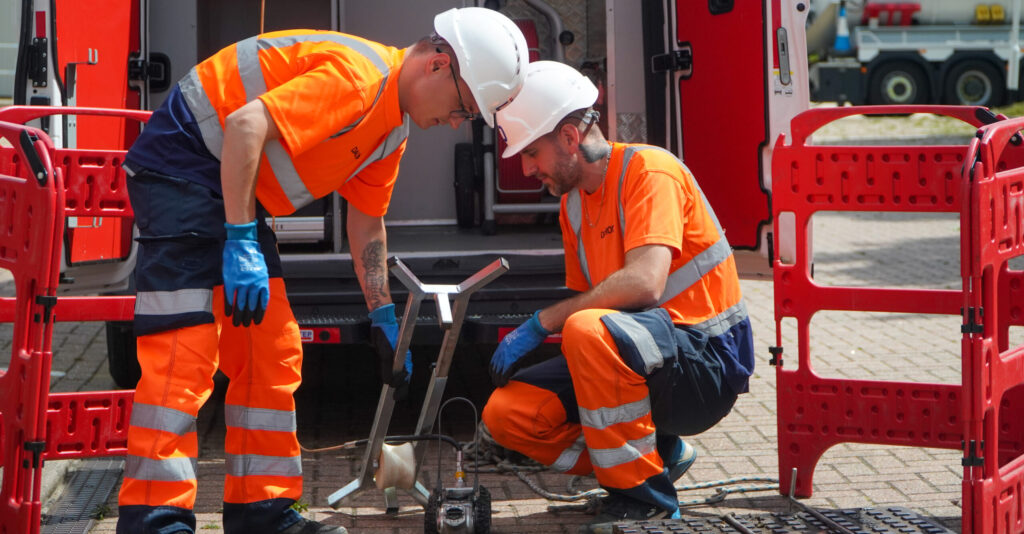
Reactive drainage response will always be important. When a blockage or drain failure happens, businesses need a contractor that can respond quickly and get the problem under control. For commercial and industrial sites however, dealing with emergencies shouldn’t necessarily be the whole maintenance strategy.
A planned preventative maintenance programme can help identify issues earlier, reduce avoidable emergency callouts, and minimise the potential disruption caused by operational downtime.
It can also make drainage maintenance easier to budget for, rather than leaving your business facing an unexpected emergency bill when problems occur.
Talk to DALROD today to find a drainage maintenance programme designed around your site and its requirements.