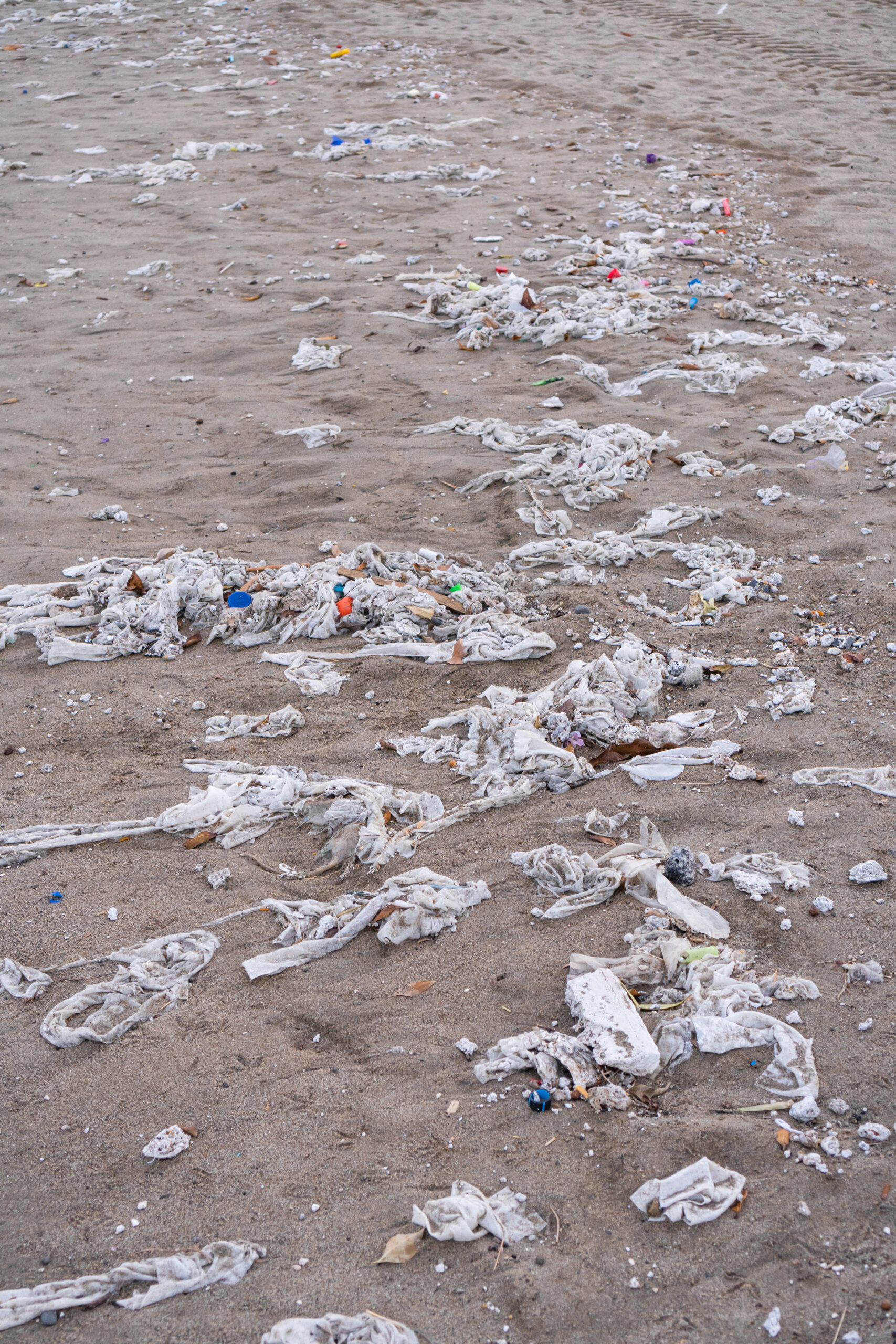
DALROD has welcomed the introduction of the UK-wide ban on the sale of wet wipes containing plastic, which is due to come into force on 19 May 2027, describing the move as an important step forward for both environmental protection and the long-term health of the nation’s drainage infrastructure.
The Government legislation will prohibit the sale of plastic containing wet wipes commonly used for household cleaning, moist toilet tissues, baby care and cosmetic purposes. The ban aims to reduce plastic pollution entering waterways and landfill sites, while encouraging manufacturers and consumers to transition towards more sustainable alternatives clearly labelled as plastic-free. Medical-use wipes intended for professional healthcare settings are exempt from the legislation.
As one of the UK’s leading drainage specialists, DALROD recognise the change is not only environmentally significant but also highly relevant to the drainage industry, which continues to deal with the costly and disruptive consequences of wipes being incorrectly flushed into sewer systems.
Kim Lan e, Director at DALROD said:
“As a drainage business we fully support the Government’s decision to ban plastic in wet wipes. From an environmental perspective, reducing the amount of plastic entering our waterways and sewer networks is a hugely positive move and should be welcomed.”
It is important to highlight that while the ban addresses the plastic content of every day wipes, public behaviour around the correct disposal of these items remains equally important. Even wipes labelled as ‘flushable’ can still contribute to drainage issues when disposed of incorrectly in a domestic or commercial setting.
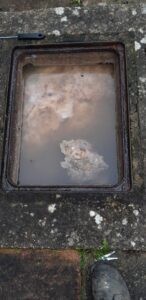
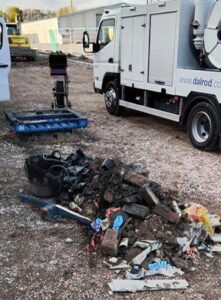
Drainage engineers from across the industry regularly attend emergency callouts caused by wipes accumulating within domestic pipework, shared drains and public sewers. Over time, wipes can combine with fats, oils and grease to create large-scale obstructions which can severely restrict flow and lead to flooding, property damage and expensive repairs.
Kim also added:
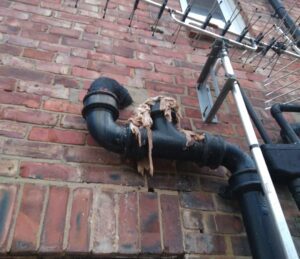
“One of the biggest misconceptions among members of the public is that wipes simply dissolve after flushing. In reality, many wipes retain their structure for extended periods and can snag within pipework, especially in older drainage systems. We see first-hand the impact this has on homeowners, businesses and water authorities across the UK.”
DALROD believe the introduction of the wet wipe legislation will provide an opportunity to further educate consumers about responsible disposal practices alongside the wider environmental benefits of reducing single-use plastics, a topic which hits the headlines regularly as poses a real threat.
We also hope the legislation will encourage continued innovation in sustainable product manufacturing and greater awareness of how individual consumer habits can have a direct impact on both the environment and critical infrastructure.
To read more about the ban, and which products it covers then follow this link Plastic wet wipes ban – GOV.UK