Unpleasant smells and recurring blockages are usually the first signs that something might be wrong with your drains. Sometimes these can point to a straightforward blockage, but they can also be hinting towards something more serious.
DALROD provides a range of drainage services, from cleaning stubborn blockages to investigating, repairing and renovating damaged pipework. Here’s what to look out for and the signs that it might be time to call in the experts.
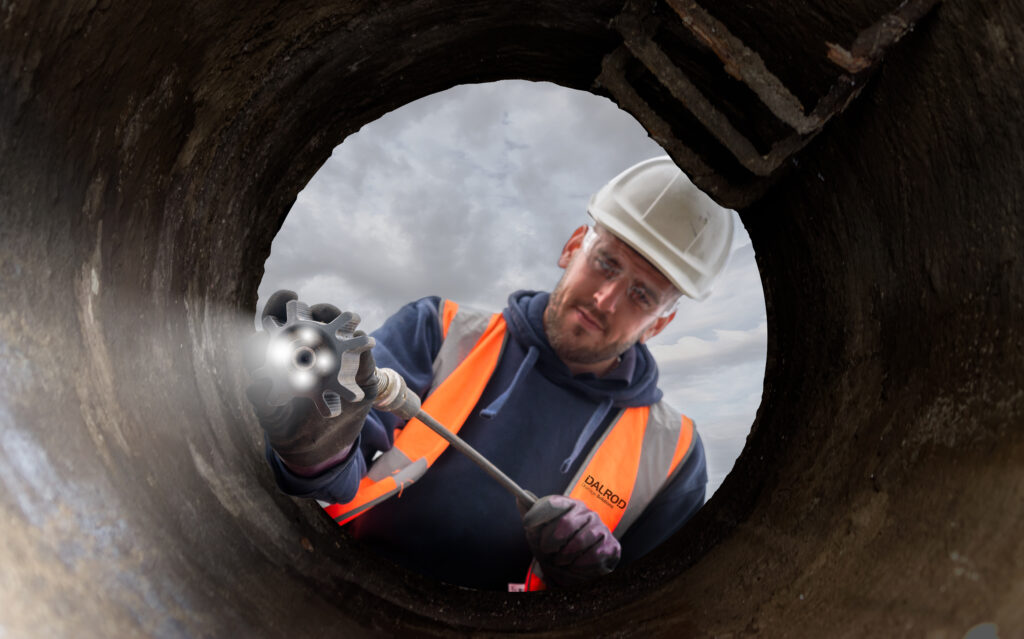
The Signs of a Blocked Drain
A blocked drain is one of the most common drainage problems faced by homeowners and businesses. In many cases, the cause is a build up of everyday waste that restricts the flow of water through the pipework.
Common causes include grease, fat, food waste, wet wipes, sanitary products, hair and other debris. Outside, leaves, silt and other materials can also accumulate within the drainage system.
Some of the warning signs include:
- Slow-draining water: Sinks, showers and baths may take longer than usual to empty.
- Unpleasant smells: A build up of waste within the pipework can produce persistent, unpleasant odours.
- Gurgling noises: Air trapped within a partially blocked pipe can cause bubbling or gurgling sounds.
- Water backing up: Wastewater may rise back through plugholes, toilets, or external drains.
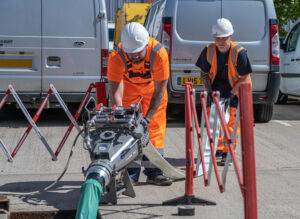
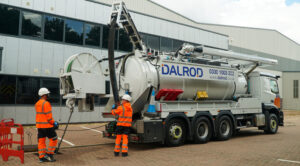
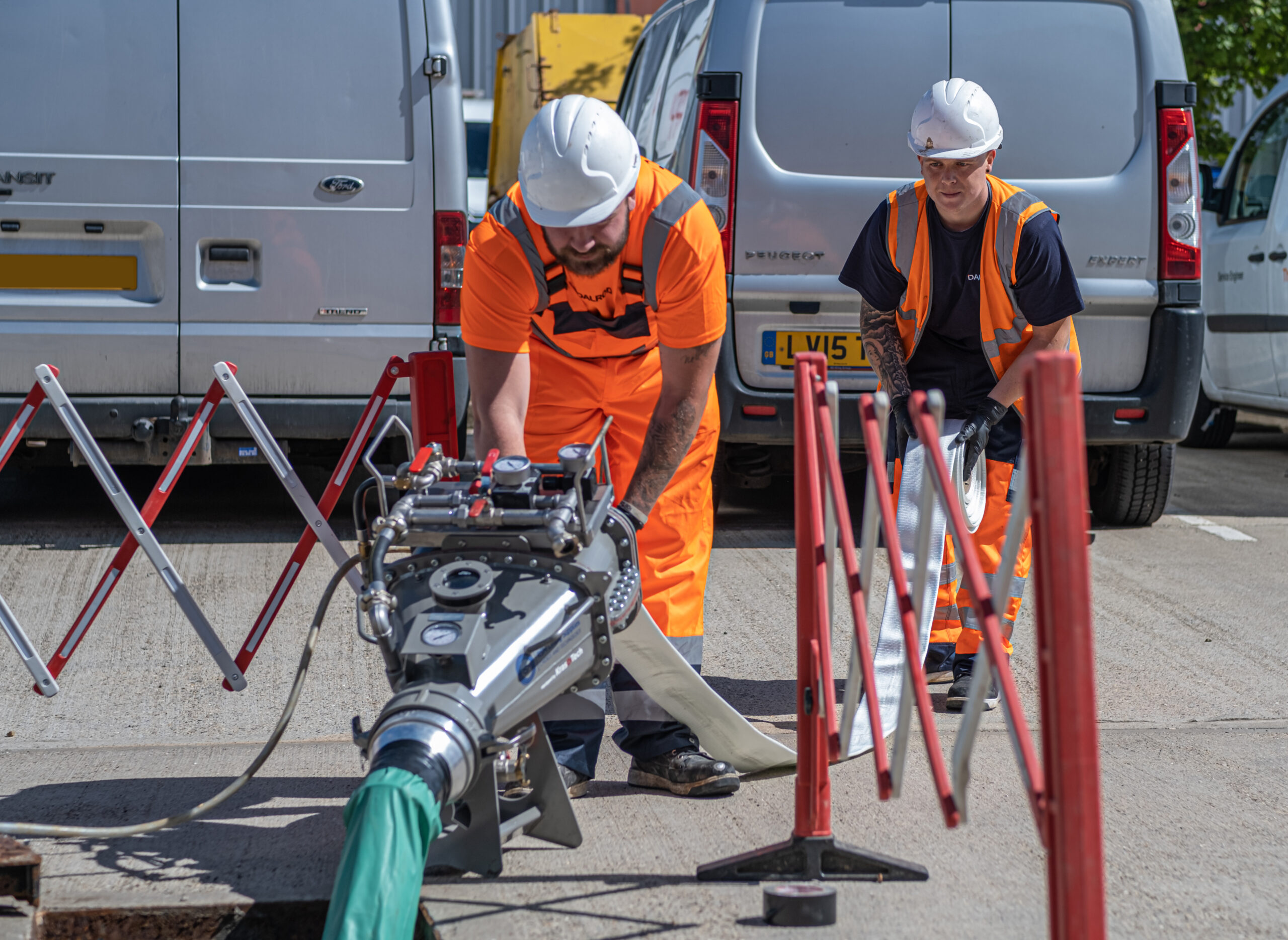
Many blockages can be resolved without the need for extensive repairs. DALROD engineers use specialist equipment to identify and clear obstructions, restoring the flow of wastewater through the drainage system. Depending on the nature of the blockage, this may involve mechanical clearance or high-pressure water jetting.
However, if the same problem keeps returning, it could be an indication of something more significant than a standard blockage.
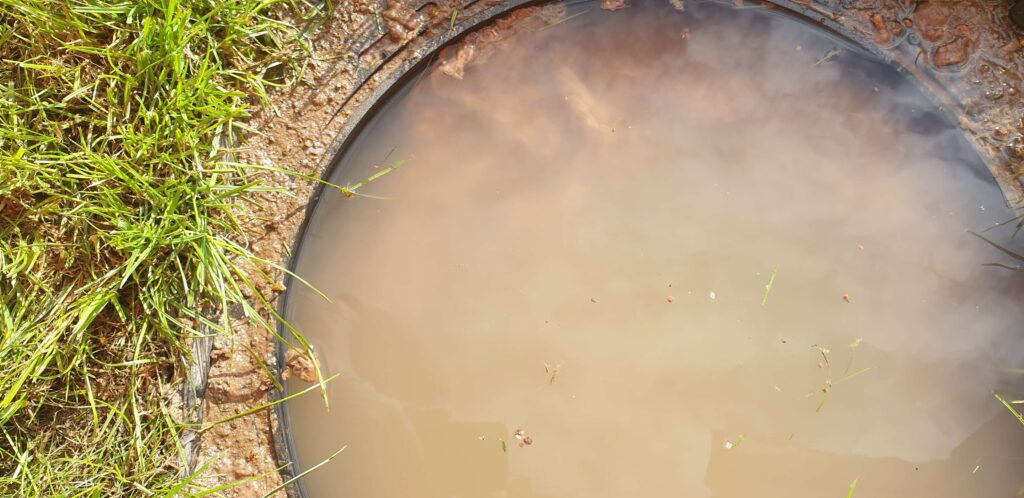
When Is a Drain Actually Damaged?
Unlike a blockage, which restricts the flow of water, a damaged drain is a structural issue that may affect the integrity of the pipework itself.
Damage can occur for several reasons. Ageing pipes, ground movement, tree root ingress, corrosion and external pressure can all contribute to deterioration over time.
In some cases, the damage may be obvious. In others, it can remain hidden underground until the symptoms become more severe.
Here are some of the warning signs of a damaged drain: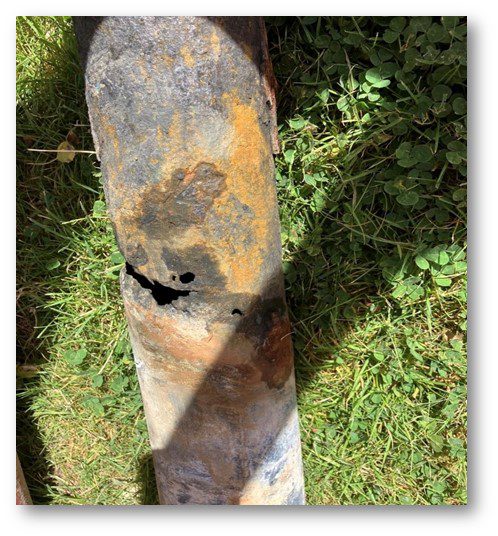
- Recurring blockages: If the same drain repeatedly becomes blocked despite professional clearance, there may be an underlying structural issue.
- Persistent foul smells: Cracked or damaged pipes can allow wastewater to escape into the surrounding area.
- Damp patches: Leaking underground pipework can cause localised waterlogging or areas of damp.
- Subsidence or ground movement: In some circumstances, leaking drains can contribute to ground instability, particularly where water escapes and affects the surrounding soil.
- Multiple drainage problems: Several fixtures draining slowly or backing up may indicate an issue further along the drainage network.
These symptoms don’t automatically mean a drain is damaged. However, they shouldn’t be ignored, particularly when problems persist after a blockage has already been cleared.
CCTV Drain Surveys
When the cause of a drainage problem isn’t immediately obvious, a CCTV drain survey can be hugely beneficial in identifying the underlying issue.
Using specialist camera equipment, DALROD engineers can inspect the condition of the pipework without the need for excavation. The survey can help identify issues such as cracks, displaced joints, root ingress, corrosion, obstructions and collapsed sections of pipe.
This information allows engineers to assess the condition of the drainage system and recommend the most appropriate solution.
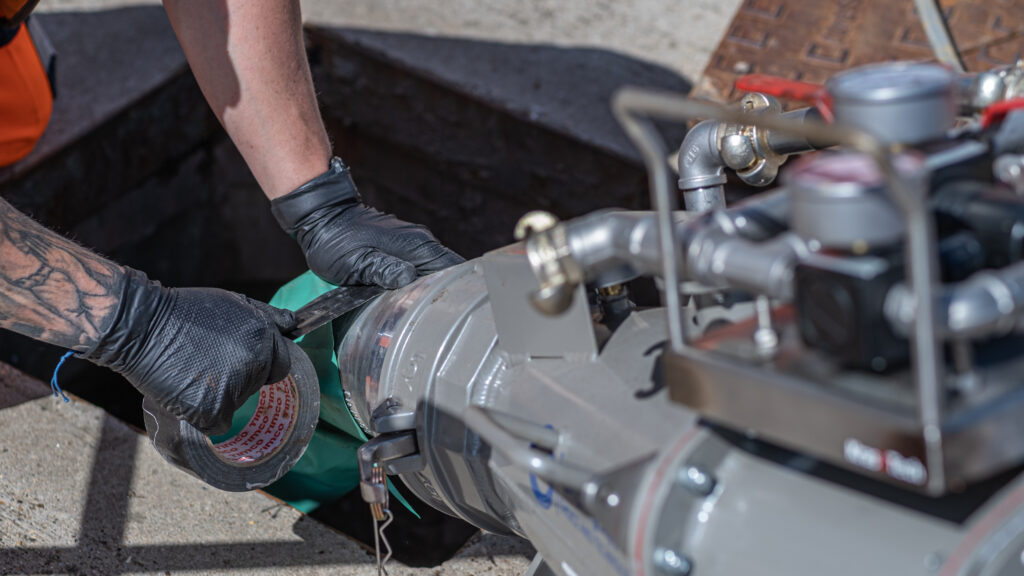
From Drain Repairs to Full Renovation
Once the cause of the problem has been identified, the next step is finding the right solution. Not every damaged drain needs to be replaced. Depending on the condition of the pipework, its location and the extent of the damage, there may be several options available:
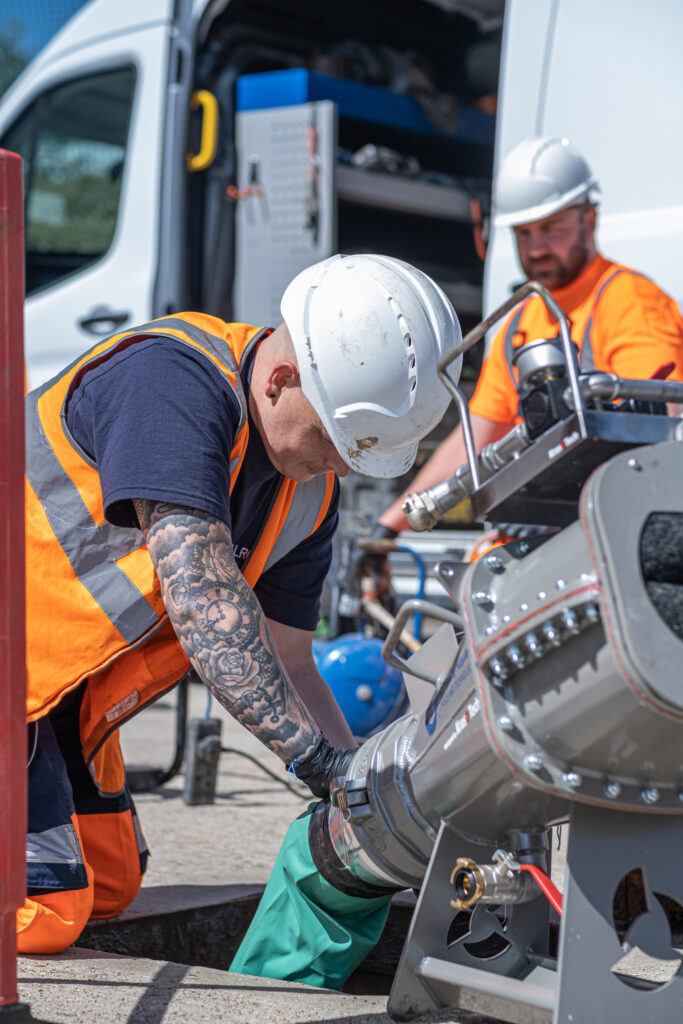
- Patch Repair: Where damage is localised, a targeted patch repair may be all that’s needed. This can involve addressing a specific damaged section or repairing an individual defect and is considered the most cost effective and least disruptive repair method.
- No-Dig Drain Repairs: Where the condition of the drain allows, no-dig repair techniques can offer an alternative to potential disruption caused by a full excavation. Methods such as drain relining involve installing a specifically designed liner within the existing pipe to create a new internal surface. This can help seal cracks, address defects and restore the pipe’s function without having to replace an entire section.
- Drain Excavation and Replacement: Sometimes, the damage is too extensive for a localised repair or no-dig method.
Severely collapsed pipes, significant structural failure, or certain complex defects may require excavation and replacement of the affected section.
Although this can be a more involved process, replacing damaged pipework may be the most effective long-term solution where the existing drain can no longer function reliably.
Why Acting Early Matters
It’s easy to put drainage problems to the back of your mind, especially when certain problems seem relatively minor. However, ignoring the warning signs can allow the underlying issue to worsen.
Investigating problems early can help identify the cause before more extensive intervention is required.
If a blockage keeps returning, unusual smells persist, or there are signs of a leak, it’s worth arranging a professional assessment rather than assuming another clearance will solve the problem.
Blocked or Damaged? DALROD Can Help
When it comes to both damaged and blocked drains, the most important thing is identifying the cause.
DALROD provides professional drainage services to help homeowners, businesses and commercial premises tackle drainage problems effectively. From clearing stubborn obstructions to investigating defects and delivering appropriate repair solutions, our engineers can help establish what’s wrong and determine the next steps.
Experiencing recurring blockages or suspect a damaged drain? Contact DALROD today to discuss the problem and find out how we can help.