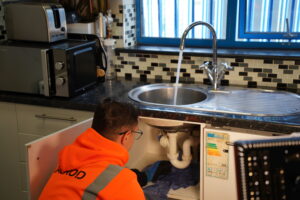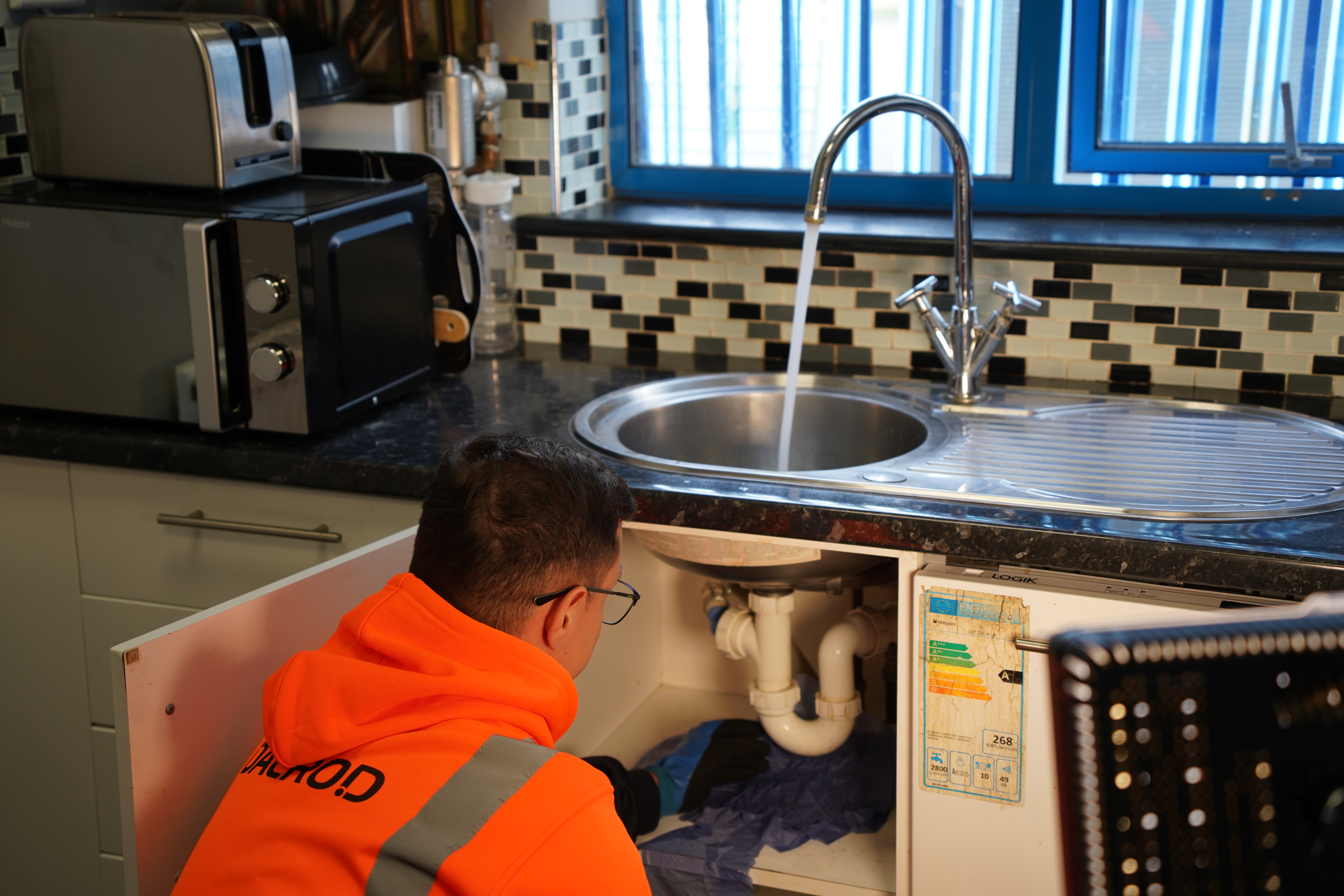
It’s easy to dismiss a sink that takes a little longer to drain. However, a slow-draining sink can be your drainage system’s way of telling you something is already starting to go wrong.
Ignoring the warning signs could turn a minor blockage into a much bigger (and potentially more expensive) problem.
Slow Drainage is a Warning Sign
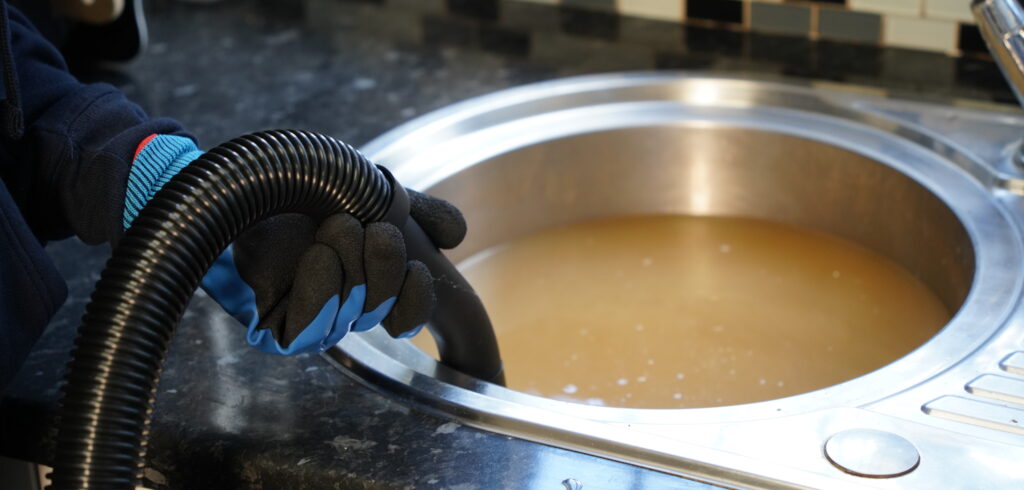
A sink that drains slowly isn’t necessarily completely blocked yet, but it could indicate a gradual build-up inside the pipework.
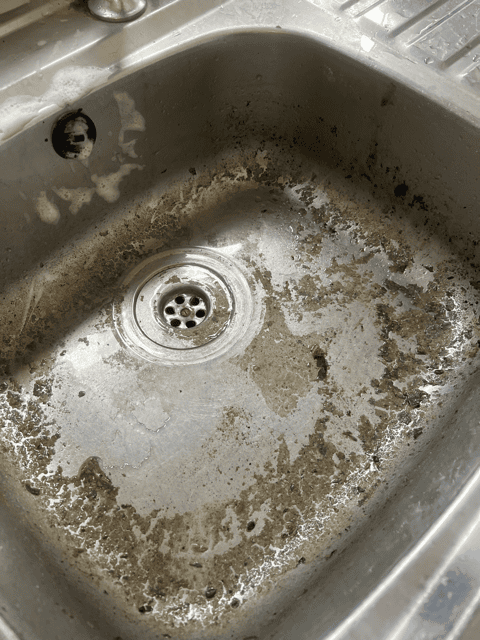
In kitchens, fats, oils, grease, and food debris can stick to the inside of pipes, gradually restricting the flow of wastewater. In bathrooms, hair, soap residue and other debris can have a similar effect.
Over time, that small restriction can turn into a stubborn blockage.
Other warning signs to look out for:
- Unusual or gurgling noises from the plughole
- Unpleasant smells coming from the sink
- Water taking increasingly long to drain
- Water backing up when another appliance is running
- More than one fixture draining slowly
The Cost of “Leaving it for Now”
The longer a partial blockage is left untreated, the more opportunity there is for other materials to collect around it.
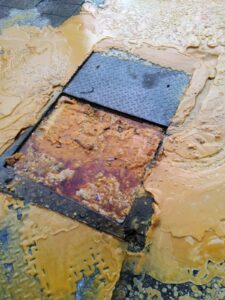
What starts as a slow draining sink could eventually become a complete blocked waste pipe, unpleasant smells, overflowing wastewater, or even cause damage to surrounding areas.
For businesses, the consequences can be even more significant. A blocked drain can disrupt staff, affect hygiene procedure and potentially bring operations to a standstill.
The cost isn’t simply a drainage callout. It could include lost trading time, cancelled bookings, cleaning and remedial work, or even property damage.
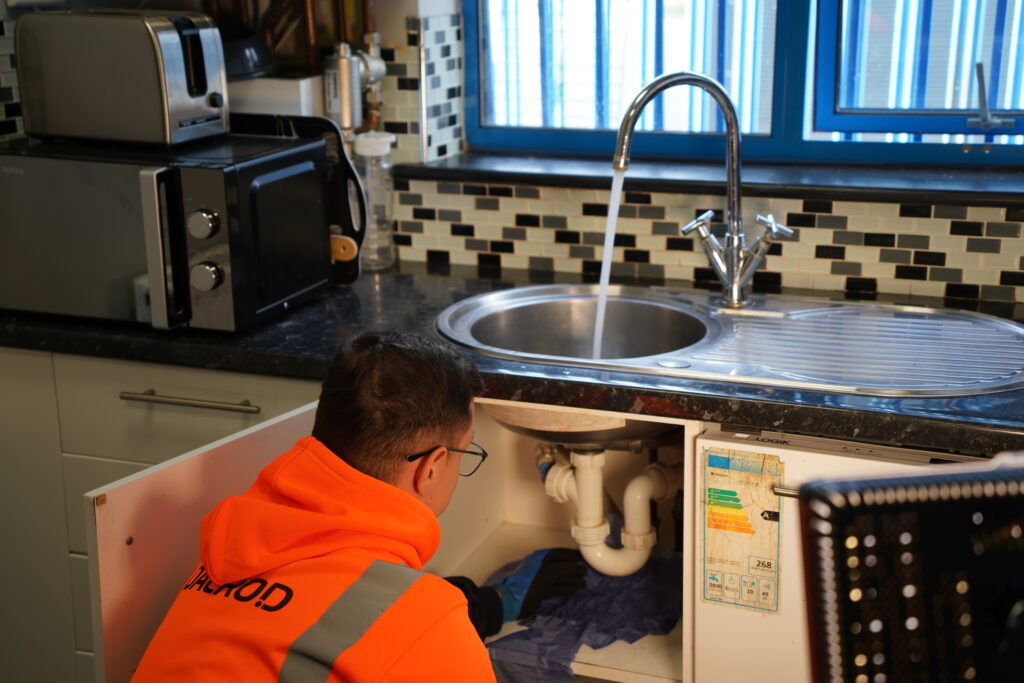
Don’t Reach for Chemical Cleaners
When a sink starts draining slowly, it may be tempting to purchase products advertised as “sink unblockers”. Chemical cleaners, however, may fail to remove the underlying cause of a blockage, particularly when there is substantial build-up further along the pipework. They can also leave corrosive chemicals within the drainage system, creating a bigger problem over time.
The safest approach is to identify what is actually causing the blockage rather than repeatedly treating the symptom.
Boiling Water Isn’t a Magic Fix
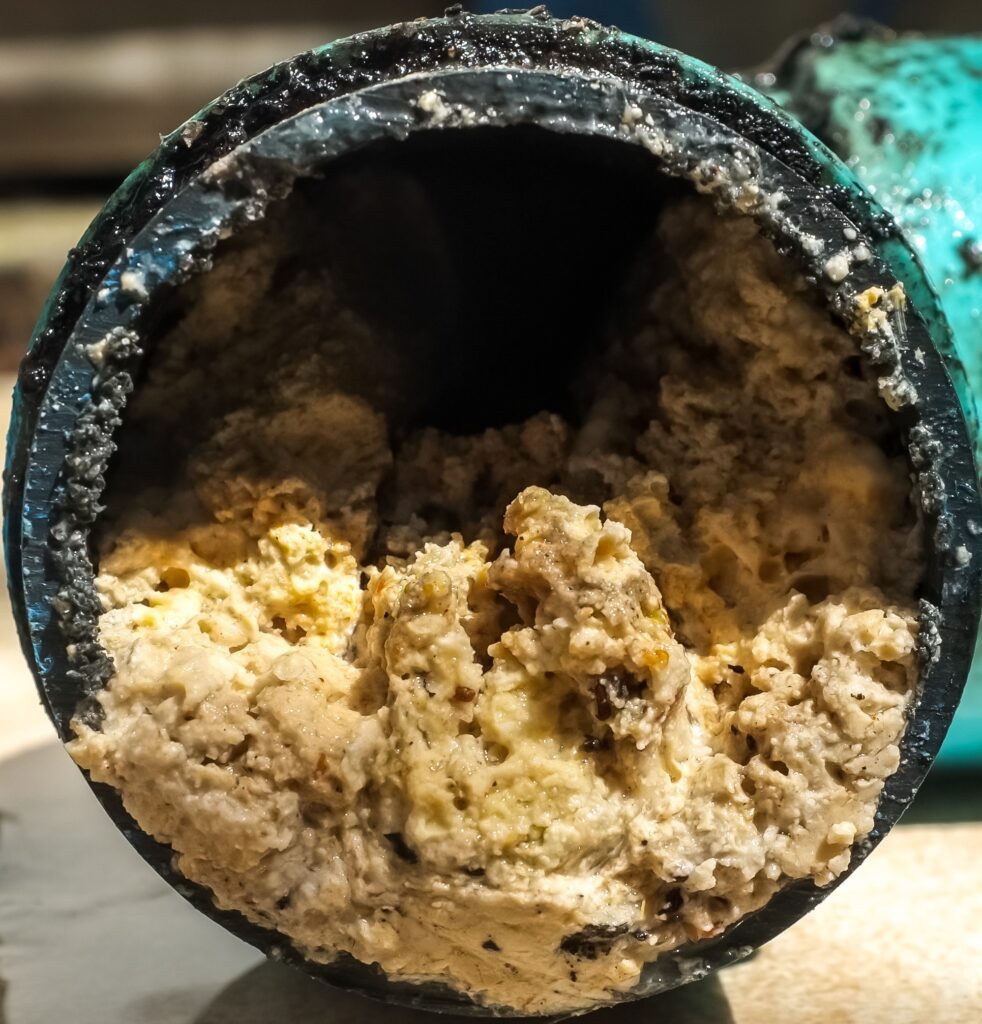
Another common piece of advice is to pour boiling water down the sink to “melt” grease away. This might seem logical, but it can simply move the problem further along the pipe.
Hot water can temporarily soften and move grease, but as it travels through the system and cools, that grease can stick to pipework further along the system. Over time, repeated build-up can contribute to a much more stubborn blockage.
Learn more about how to dispose of grease safely here.
When Should You Call a Professional?
If your sink is consistently slow, repeatedly blocks, starts to smell, or you notice other fixtures draining slowly, it’s worth getting the problem investigated rather than waiting for a complete blockage.
DALROD’s professional drainage engineers can establish where the problem is and find the route cause.
Depending on the situation, techniques such as high pressure water jetting can remove stubborn build-up, while CCTV drainage surveys can identify problems such as damaged pipework or displaced joints.
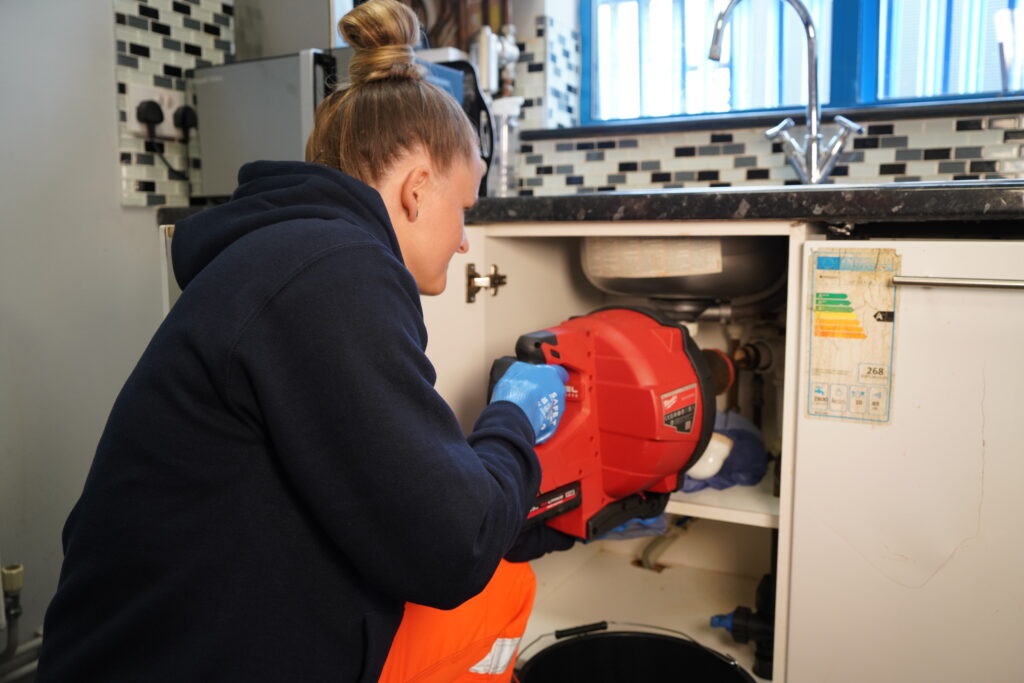
If you’re experiencing persistent slow drainage or a recurring blockage, contact your local DALROD team for professional advice and 24/7 drainage support.