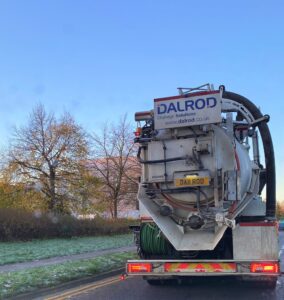
For restaurants, pubs, cafés and commercial kitchens, drainage problems are more than just an inconvenience. A blocked drain, overflowing grease trap or unpleasant smell can quickly disrupt service, affect hygiene and even force a business to close temporarily.
With the busy Christmas period fast approaching, now is the time for hospitality businesses to make sure their drainage systems are ready for the extra demand.

Why Restaurant Drainage Needs Regular Attention
Commercial kitchens put considerable pressure on drainage systems. Cooking oils, fats, grease, food waste, and even some cleaning products can all contribute to blockages and build up over time.
Unlike domestic properties, restaurants often have multiple sinks, dishwashers, commercial washing facilities and kitchen appliances all feeding into the same drainage network. The more frequently these facilities are used, the greater the demand on the system.
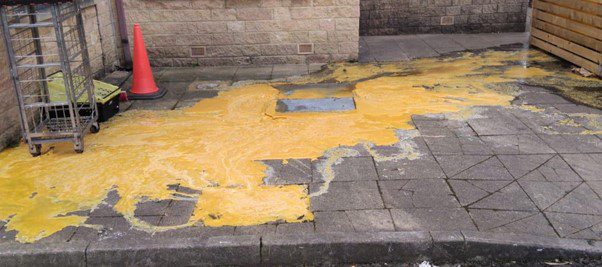
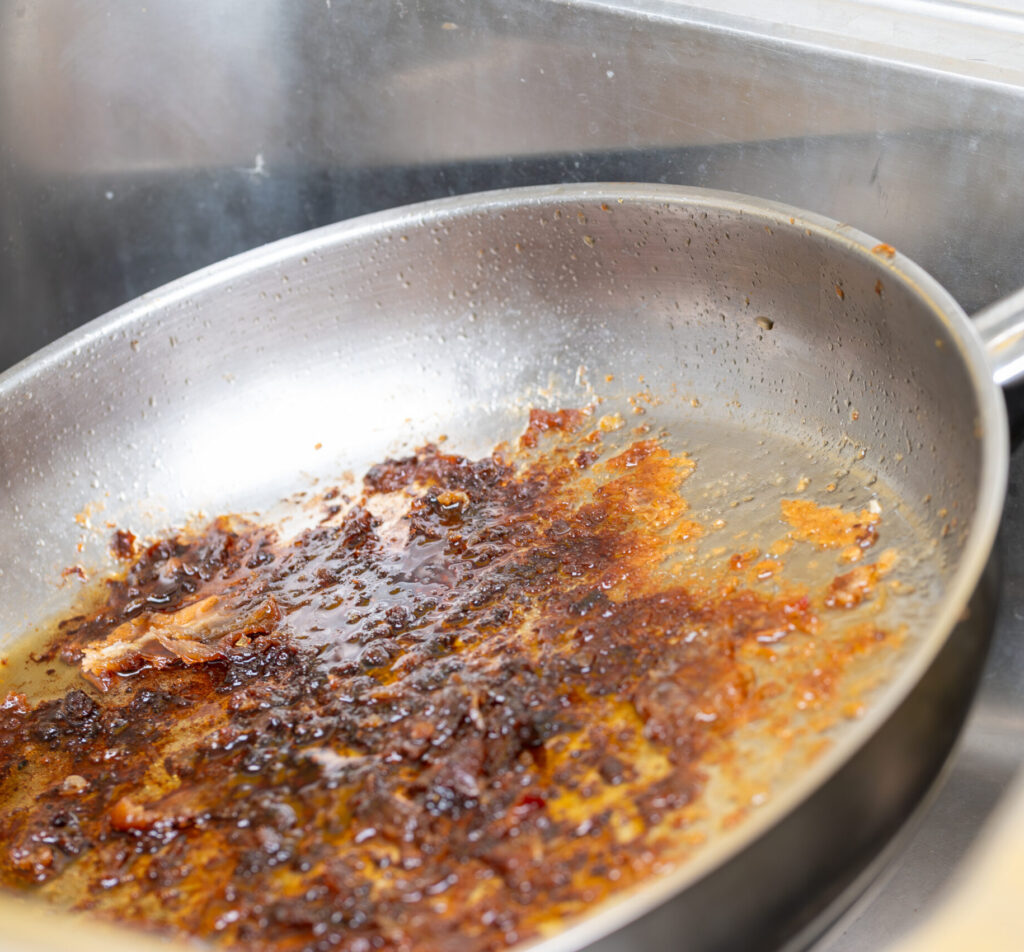
Grease can be a particular problem. When fats, oils and grease (FOG) enter the drains they can cool, solidify and stick to the internal surfaces of pipes. Over time this can restrict water flow and eventually cause a blockage or fatberg.
Regular cleaning and maintenance can help prevent these problems before they become costly emergencies.
How Often Should Restaurant Drains be Cleaned and Maintained?
There isn’t a universal maintenance schedule for every business. The frequency will depend on the size of your premises and how busy the kitchen is. However, there are some general guidelines restaurants should consider.
- Daily checks and cleaning: Kitchen staff should make sure all sinks, floor drains and waste outlets are kept clean and free from food debris. Food waste should never be washed directly into the drainage system.
- Weekly inspections: A quick inspection of accessible drainage points can help identify early warning signs. Look out for slow draining sinks, unpleasant smells and unusual noises, these can all indicate an underlying problem.
- Regular grease trap maintenance: Grease traps are essential to many commercial kitchens. They help prevent FOG from entering the wider drainage network. However, they need to be regularly cleaned and emptied to remain effective. How often this is required will depend on the size of the trap and volume of grease being produced, that’s why DALROD offers a tailored approach to routine maintenance such as grease trap emptying.
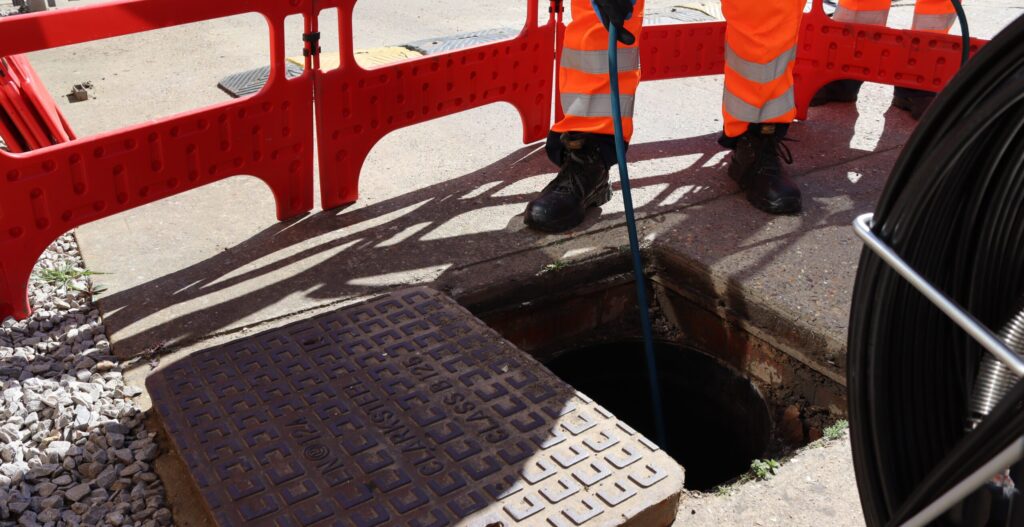
- Pre Planned Maintenance (PPM): Professional drainage inspections should form part of your restaurant’s wider maintenance programme.
Getting Ready for the Christmas Rush
Christmas is one of the busiest periods of the year for many hospitality businesses. More customers means more food preparation, increased washing, additional cleaning and greater pressure on kitchen facilities.
It’s also a time when drainage systems are particularly vulnerable to problems.
Increased cooking activity means more fats and oils are entering the system, while additional food waste and heavier water usage can put pipework under extra strain.
The last thing any restaurant needs is a blocked kitchen drain on a fully booked December evening, that’s why planning ahead is key.
Before the festive rush begins, businesses should consider:
- Arranging a professional drainage inspection.
- Checking and emptying grease traps.
- Making sure kitchen sinks and floor drains are free from debris.
- Investigating and recurring slow draining sinks or unpleasant smells.
- Reviewing existing PPM schedules
- Addressing any known drainage defects before they become emergencies.
 What Happens if A Drainage Emergency Occurs?
 What Happens if A Drainage Emergency Occurs?
Even with regular maintenance, unexpected drainage issues can happen.
A significant blockage, collapsed pipe or overflowing drain can quickly affect kitchen operations and customer areas. In some circumstances, businesses may have little choice but to suspend trading until the problem is resolved.
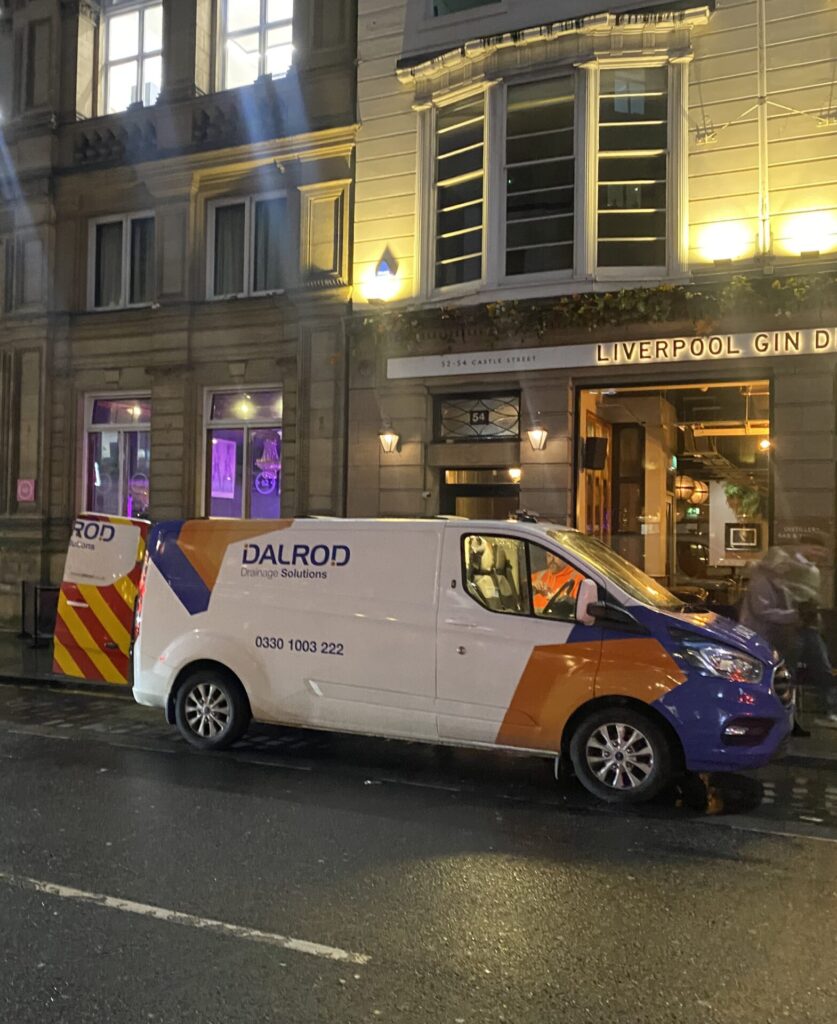
That’s why access to a reliable emergency drainage service is so important. DALROD provides 24/7 drainage support, helping commercial and hospitality customer respond to unexpected problems whenever they occur.
Having access to round the clock support provides valuable reassurance, particularly during busy trading period when every hour of disruption matters.
Prevention is Key
Keeping restaurant drainage in good condition shouldn’t be something businesses only think about when something goes wrong.
A proactive approach, combining regular cleaning, grease management and professional inspections can help reduce the risk of unexpected failures. It can also help businesses identify ageing infrastructure, plan necessary repairs and above the expense and disruption associated with more serious drainage problems.
Every restaurant is different, so maintenance requirements should reflect the individual needs of your premises. DALROD works with commercial customers across a range of sectors, providing drain maintenance, inspection, cleaning and emergency support to help keep essential systems working as they should.
With Christmas just around the corner, there’s no better time to give your restaurant’s drainage some attention.
To find out more about DALROD’s commercial drainage services or arrange a site visit to assess your PPM requirements, contact your local DALROD team today. If an emergency should occur, contact our team 24/7 on 0330 1003 222.