Winter brings some of the toughest conditions for your drains. Heavy rainfall, falling leaves, freezing temperatures and increased water usage all put pressure on your home’s drainage system.
A small drainage issue during the summer months can quickly become a much bigger problem when the weather turns. Blocked drains, overflowing gullies and damaged pipework can cause disruption, unpleasant smells and water damage to your property.
A few simple checks now, however, could help prevent an unexpected drainage emergency later. Here are 10 drainage checks every homeowner should consider before winter arrives:
Clear leaves and debris from external drains
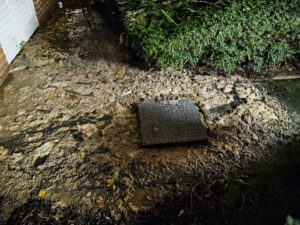
Falling leaves are one of the biggest causes of seasonal drainage problems. They can collect around external drain covers and gullies, preventing rainwater from flowing away properly.
Take a walk around your property and check for visible leaves, mud and other debris. Remove anything sitting on the surface, but avoid lifting heavy drain covers or attempting to clear blockages deep within the system yourself.
Keeping external drainage points clear is a simple way to reduce the risk of standing water and flooding.
Check your gutters and downpipes
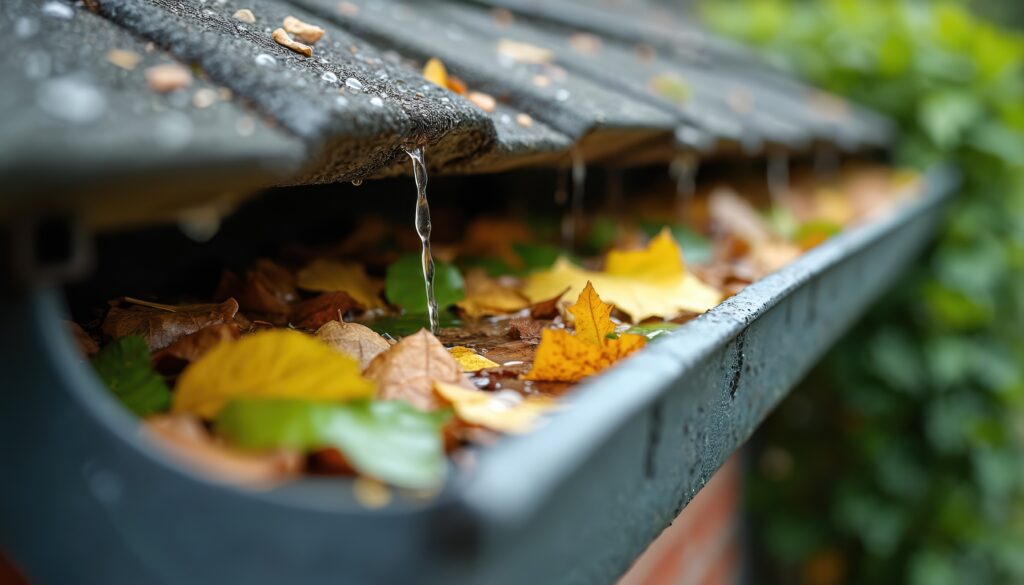
Your gutters play an important role in directing rainwater safely away from your home. However, they can quickly become blocked with leaves, moss and other debris during autumn.
When this happens, rainwater can overflow and collect around external walls and foundations.
Check that gutters are clear and that downpipes are directing water into the correct drainage pipes. Look for visible leaks, sagging sections or signs of overflowing.
If your gutters are difficult to access, consider arranging a professional inspection rather than attempting to clear them yourself.
Inspect external drain covers
Drain covers are easy to overlook, but they provide an important barrier for your drainage system.
Check that external covers are sitting securely and haven’t become cracked or damaged. A loose or broken cover can allow debris to enter the drainage system, increasing the risk of blockages.
It’s also important to make sure covers aren’t buried beneath soil, leaves or garden waste.
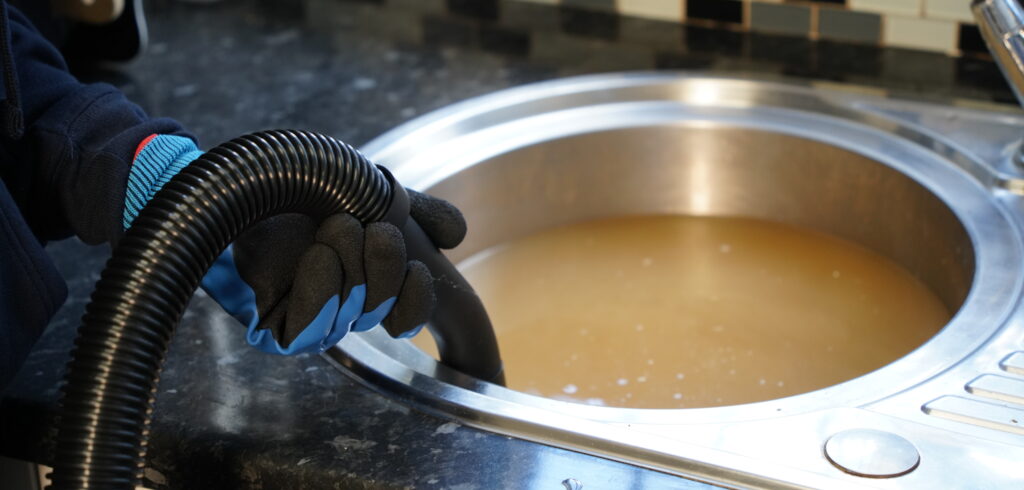
Look out for slow draining sinks and baths
A slow draining sink might not seem like an urgent problem. However, it could be an early warning sign of a developing blockage.
Grease, soap residue, hair and everyday debris can gradually build up inside pipework. Colder weather can make existing problems more noticeable, particularly where grease and fats are involved.
Check your kitchen and bathroom drainage. If water is taking longer than usual to disappear, arrange an investigation before the problem gets worse.
Avoid pouring fats, oils or grease down kitchen sinks. These can solidify inside pipework and contribute to blockages.
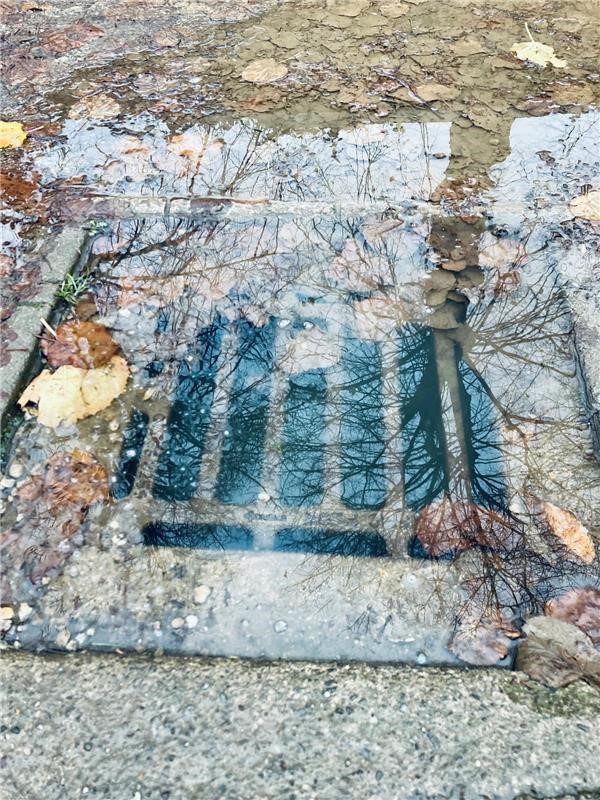
Check outdoor gullies and surface water drains
External gullies help collect rainwater from driveways, patios and other hard surfaces before directing it into the drainage network.
During heavy rainfall, blocked gullies can quickly become overwhelmed.
Check for visible leaves, mud and debris around the grates. Make sure water can flow freely towards the drainage points and look out for standing water after rainfall.
If a gully appears blocked beneath the surface, a professional drainage engineer can investigate and identify the cause.
Check for signs of water pooling around your property
Heavy rainfall can expose problems with drainage that might not be obvious during drier months.
After a period of rain, take a look around your garden, driveway and patio. Persistent pooling could indicate blocked surface water drains or an issue with the drainage pipes in the surrounding ground.
Look out for unusual smells
While occasional odours can have simple explanations, persistent smells may indicate a blockage, damaged pipework, or an issue within the drainage system.
Pay attention to where the smell is coming from and whether it gets worse if a certain household fixture such as a sink, toilet or washing machine is used.
If the problem persists, arrange a professional inspection. Identifying the source early can help prevent a small issue turning into something more disruptive.
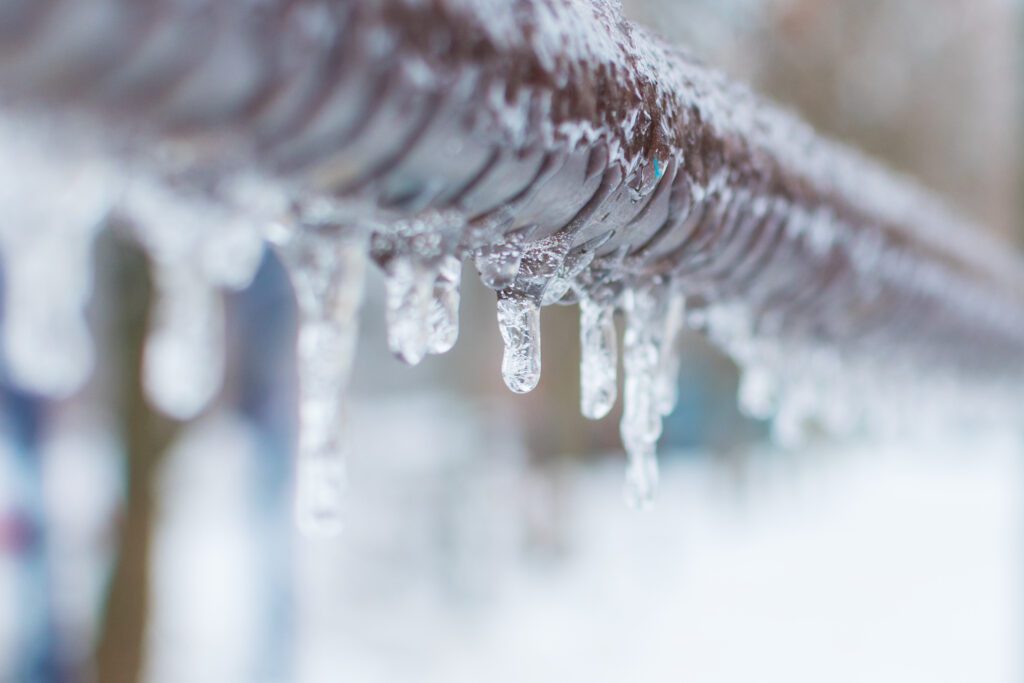
Check outside taps and exposed pipework
Freezing temperatures can cause water inside exposed pipes to freeze and expand, potentially leading to cracks or burst pipework.
While this is more commonly associated with water supply and plumbing issues, damaged connections and leaking pipework can also contribute to problems around external drainage points.
Check visible pipework for signs of damage, leaks or loose connections. Insulate exposed water pipes and disconnect garden hoses before temperatures drop.
If you notice a leak or suspect a pipe has been damaged, arrange for a suitable professional to investigate.
Check for signs of recurring blockages
Recurring blockages are often a sign that something more significant is happening within your drainage system. This problem could be caused by a buildup of debris, damaged pipework, root ingress or even a structural defect.
Rather than repeatedly treating the symptoms, it’s important to identify the underlying cause.
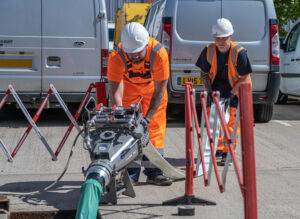
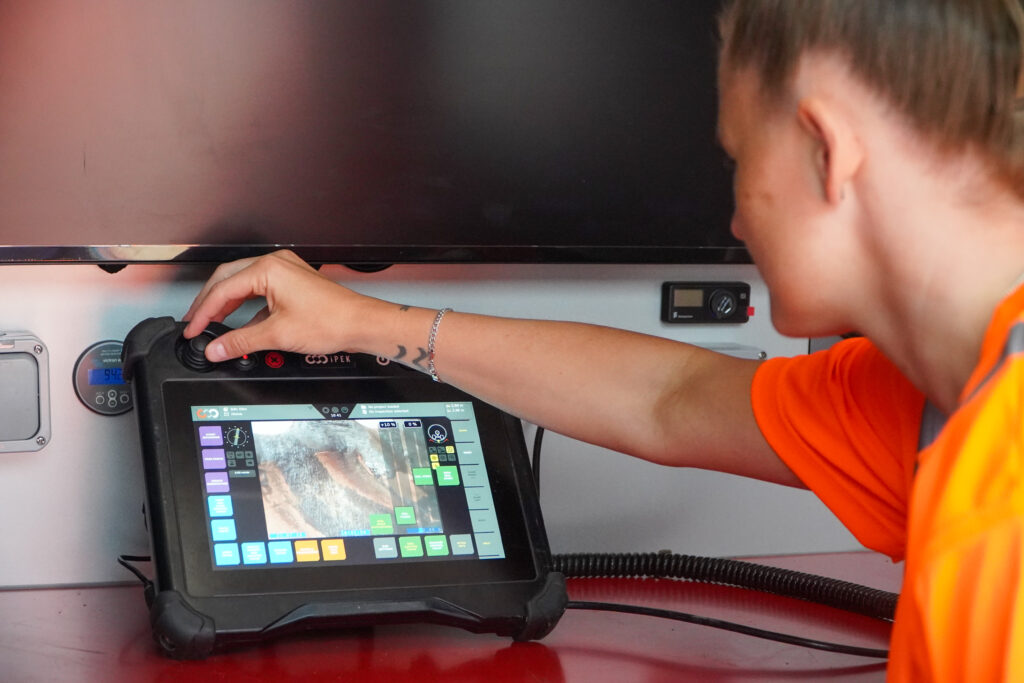
A professional CCTV survey can provide a detailed look inside your pipework, helping engineers locate problems without unnecessary disruption.
Consider a professional drainage inspection
Not every drainage problem is visible from the surface. Cracked pipes, displaced joints, root ingress and hidden obstructions can all develop without obvious warning signs.
Arranging a professional drainage inspection before winter can help identify problems while there’s still time to address them.
This is particularly worthwhile if your property has experienced previous blockages, flooding or recurring drainage issues.
Don’t Let Drainage Problems Ruin Your Winter
Winter weather is unpredictable, but your drainage system doesn’t have to be an afterthought. Taking time to carry out these simple checks can help identify potential problems before heavy rain and freezing temperatures put additional pressure on your drains.
If you notice persistent drainage issues, unusual smells, slow draining fixtures or signs of overflowing, don’t leave them until the weather gets worse.
DALROD’s network of local drainage specialists provides professional drainage services to homeowners and businesses across the country. From emergency drain unblocking and CCTV surveys, to maintenance and drainage repairs, our experienced teams are on hand 24/7 to help.