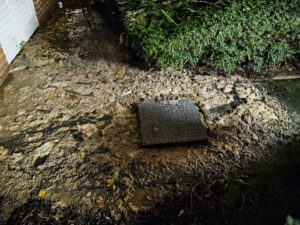
An overflowing drain is never a welcome sight. Whether it’s water bubbling up from an outside drain, wastewater backing up into your property, or a manhole overflowing into a car park, it’s a problem that needs attention.
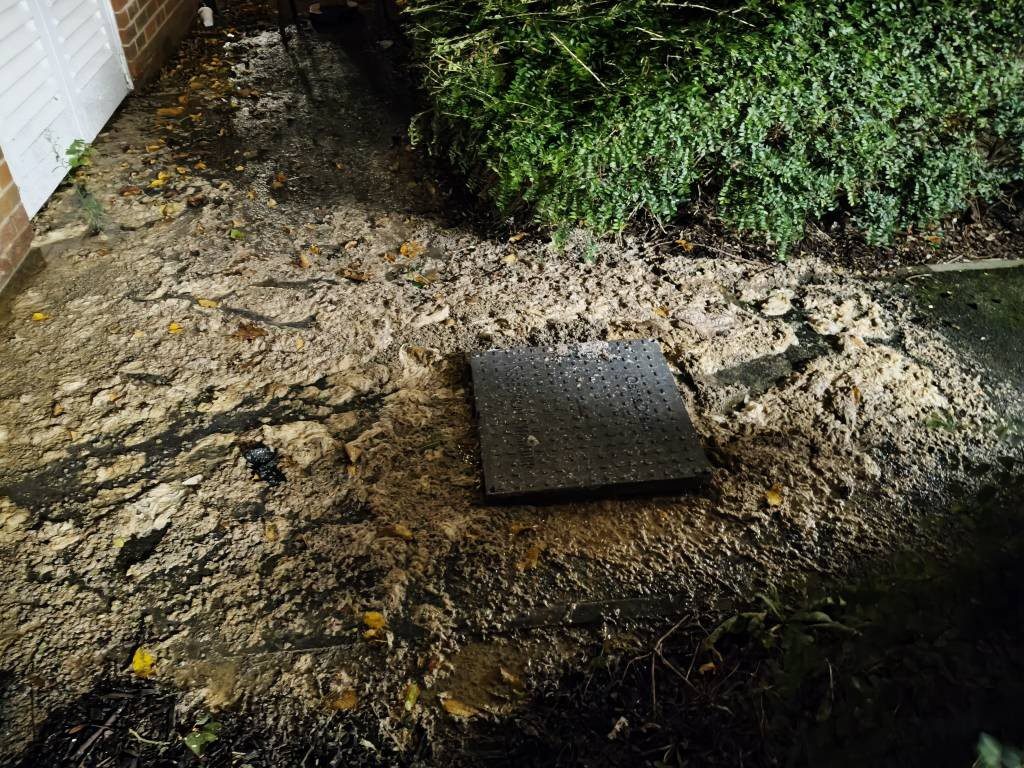
While it can be tempting to grab a set of tools and try to tackle the issue yourself, knowing what to do (and not what to do) can make a significant difference.
Drainage problems can escalate quickly. Acting promptly can help limit damage and help prevent further disruption to your home or business.
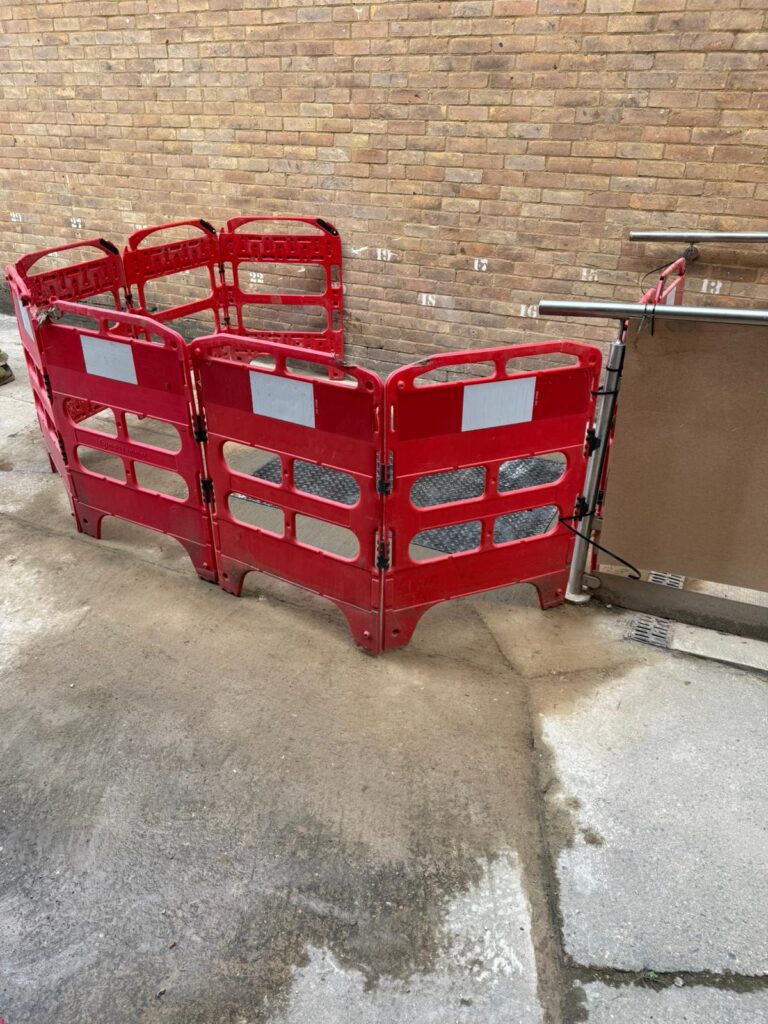
So, what should you do if your drains start overflowing?
Safety First
The most important consideration should always be safety.
Overflowing wastewater can contain harmful bacteria and other contaminants. Avoid direct contact with standing water or sewage, and keep children, pets and (in commercial premises) members of the public away from the affected area.
If the overflow is inside a property, take extra care around electrical outlets and equipment. Water and electricity are a dangerous combination.
Safety should always come before attempting to identify or fix the problem.
Stop Using Water Where Possible
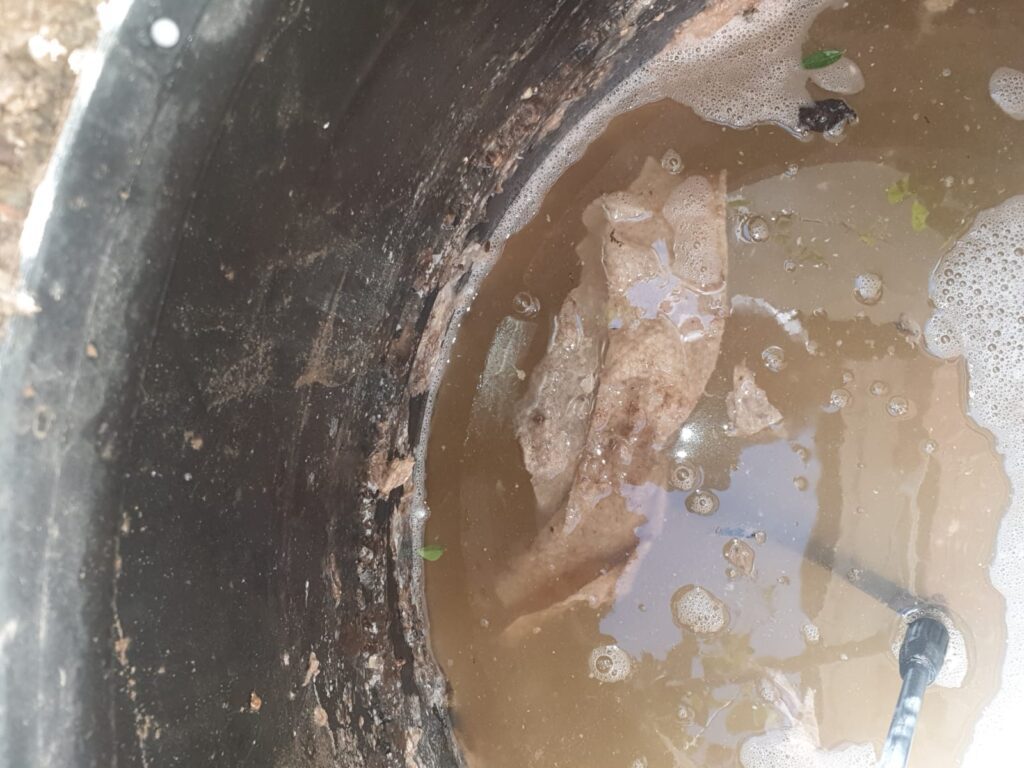 If your drainage system is overflowing, continuing to use it could make things considerably worse.
Avoid flushing toilets, running taps or using appliances like washing machines and dishwashers. Any additional water entering your drains could contribute to further flooding, so reducing the amount can help prevent further overflow while you arrange professional assistance.
Identify Where the Overflow Is Coming From
You don’t need to diagnose the problem yourself, but identifying where the water is coming from can help our drainage engineers understand what is happening.
For example:
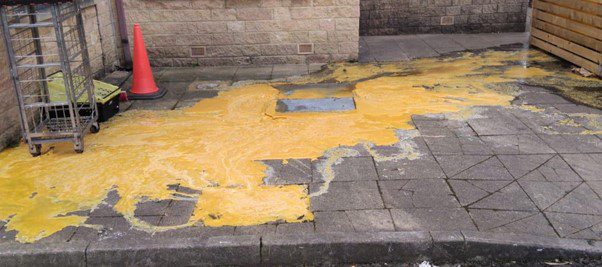
- External manhole overflowing: This could indicate a blockage or restriction further along the drainage network.
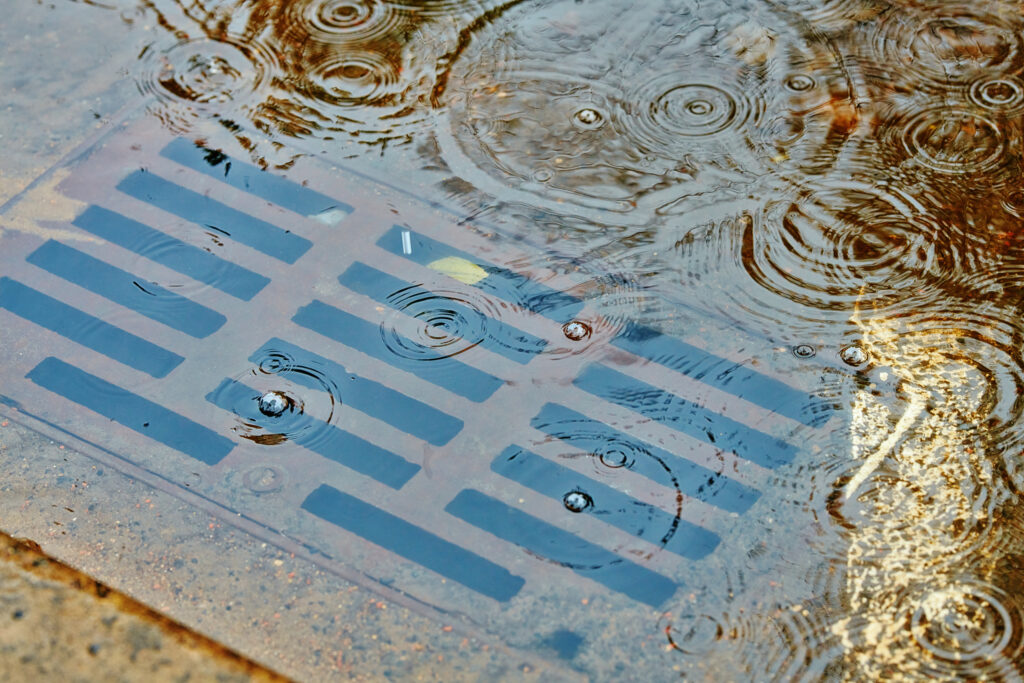
- Outside gully overflowing: Debris, silt, grease or other obstructions could be preventing water from draining away.
- Toilet or internal drain backing up: This may suggest a blockage within your property’s internal drainage system, or a problem further downstream.
- Multiple drains overflowing: This could indicate a more significant blockage effecting a shared or main drainage
- run.
It’s also worth noting whether the problem happens during heavy rainfall or appears regardless of the weather. This information can help our teams narrow down potential causes and determine the most appropriate course of action.
Avoid DIY Fixes That Could Make Things Worse
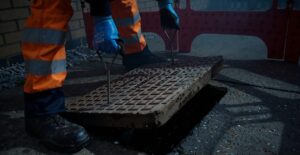
We understand the temptation to try and sort things out yourself, particularly when an overflowing drain is causing disruption. However, reaching into drains, lifting heavy manhole covers or attempting to dismantle pipework can be dangerous.
Avoid using harsh chemical drain cleaners, particularly where wastewater is already backing up. These products man not resolve the underlying issue and can introduce additional hazards.
Likewise, forcing water through a blockage with a plunger or domestic pressure washer could cause damage and potentially make matters worse.
Contact a Professional Drainage Company
An overflowing drain is often a symptom of a wider problem. The cause could be anything from a build up of debris, to collapsed pipework, tree root ingress, or a stubborn obstruction further down the network.
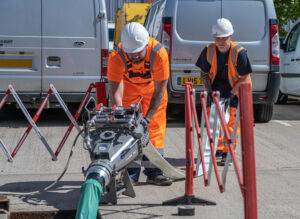
At DALROD, our experienced engineers have the equipment and expertise to investigate and resolve drainage emergencies. Depending on the issue, this could involve:
- High pressure water jetting: Breaking down and clearing stubborn blockages.
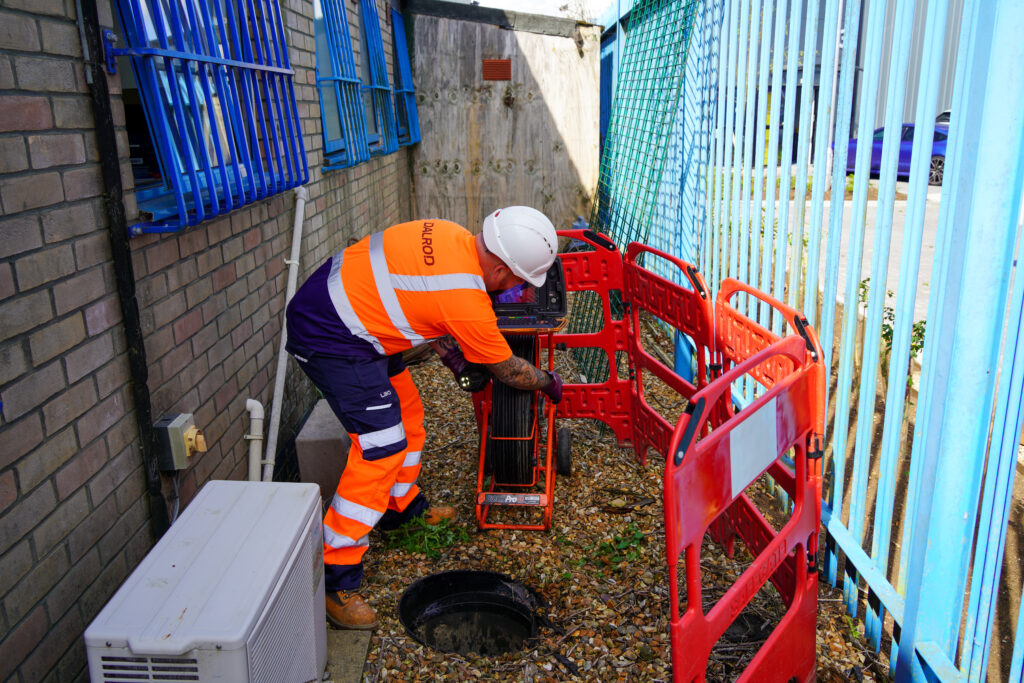
- CCTV drain surveys: Using specialist camera equipment to inspect he inside of pipework and identify damage, obstructions or other underlying problems.
- Drain repairs and renovations: Addressing structural issues such as cracked, fractured or collapsed pipes.
- Emergency drainage services: Responding 24/7 to urgent drainage problems to help minimise and prevent further damage.
Rather than simply clearing the immediate blockage, our engineers can investigate why the problem occurred in the first place. This is particularly important if the same drain keeps overflowing.
Think About What Happens Next
Once the immediate problem has been resolved, it’s worth considering how to prevent it from happening again.
Recurring drainage problems shouldn’t be ignored. A blockage that keeps returning could indicate an underling structural issue or a buildup that hasn’t been fully removed.
Being mindful of what goes down the drain can also help. Avoid flushing wet wipes, sanitary products and other unsuitable items. Keep fats, oils and grease out of kitchen sinks.
Small preventative steps can make a big difference.
Don’t Let an Overflowing Drain Become a Bigger Problem
Whether you’re dealing with a blocked drain at home or a serious drainage emergency at a commercial premises, acting quickly is essential. Ignoring the warning signs can lead to further damage, unpleasant conditions and costly disruption.
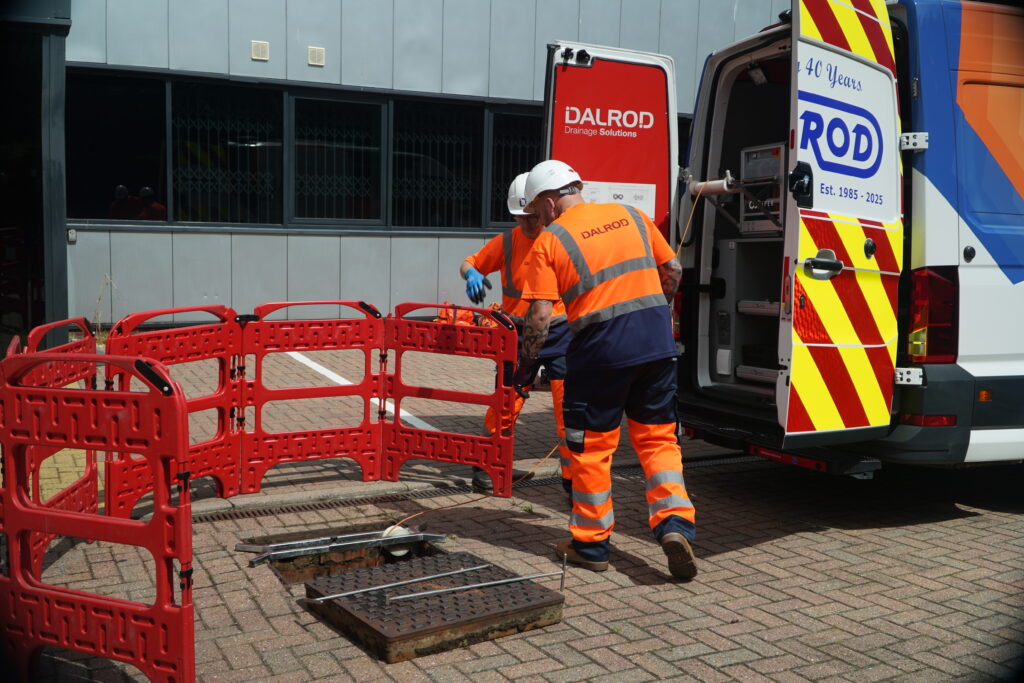
At DALROD, we understand that drainage problems don’t always happen at convenient times. Our teams throughout the country provide professional drainage solutions for domestic and commercial customers.
From emergency unblocking to CCTV surveys, repairs and preventative maintenance, we’re here to get things flowing again.
Need help with an overflowing drain? Contact DALROD today on 0330 1003 222 or get in touch with your local team to arrange professional drainage assistance.