After a prolonged period of hot, dry weather, the arrival of rain will be welcome news to many parts of the U.K.
Gardens, green spaces, and water supplies will all benefit massively from much needed rainfall, particularly following the record-breaking heat and dry conditions. However, while the rain may provide some relief, a sudden return to wetter weather can also present challenges for drainage systems.
Heavy or sustained rainfall can place significant pressure on surface water and drainage networks, particularly where there are existing blockages or underlying problems like damaged pipework. After weeks or months without substantial rain, the first major downpours really do put drainage systems to the test. If there’s already problems beneath the surface, this is when they become apparent.

From Drought to Downpour
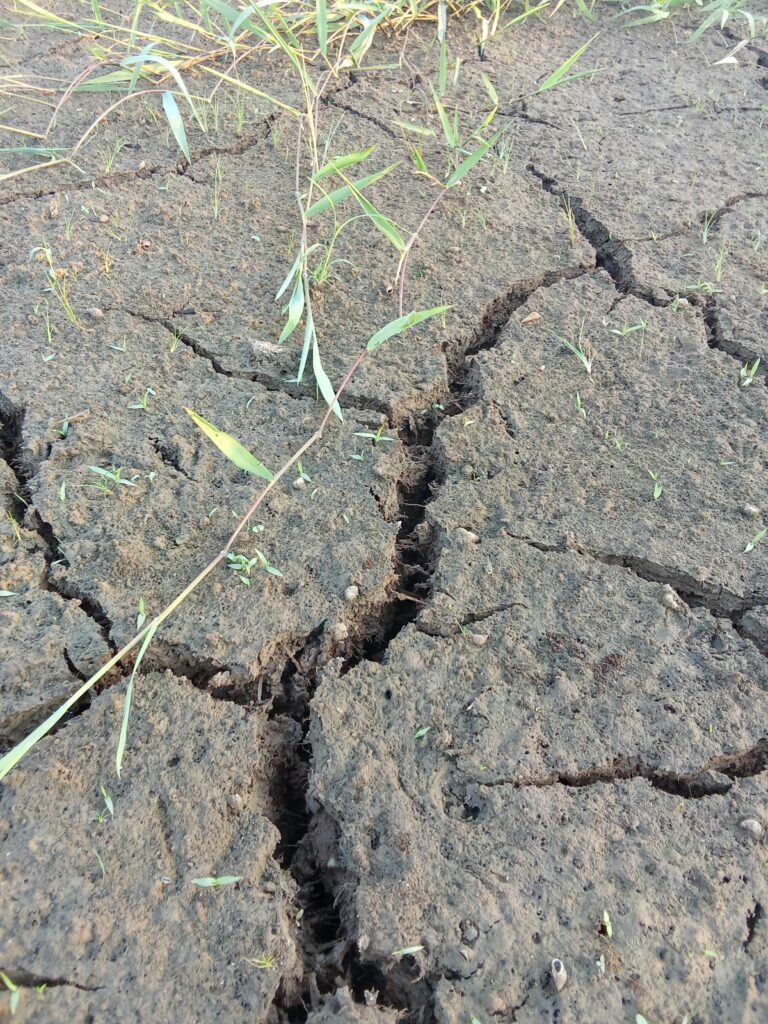
One of the biggest problems with prolonged dry weather is that it can give us a false sense of security when it comes to our drains.
Everything may appear to be working normally, simply because there hasn’t been enough rainfall to properly test the system. However, underneath the surface, there could be a buildup of debris restricting flow. Dry conditions can also contribute to ground movement which may affect underground pipework and potentially lead to cracks, misalignment, or other defects.
When the rain finally arrives, huge volumes of water enter drainage systems in a relatively short period of time. If those drains are already partially obstructed or damaged, they may struggle to cope. This is when a minor drainage issue can quickly become a much bigger problem.
Why Flooding Can Happen So Quickly
It’s easy to assume that if a drain is blocked, water simply won’t go down it. Unfortunately, drainage problems aren’t always that straightforward.
A partially blocked drain may work perfectly well under normal conditions, but a prolonged dry spell followed by several hours of rain means that pipe is having to deal with far more water than it normally would. Water can back up, surface water collects around gullies and drains, and in more serious cases, flooding can occur.
For businesses, the consequences can be particularly disruptive. Flooding can affect access, equipment, stock, toilets and working areas. All this potentially results in costly downtime.
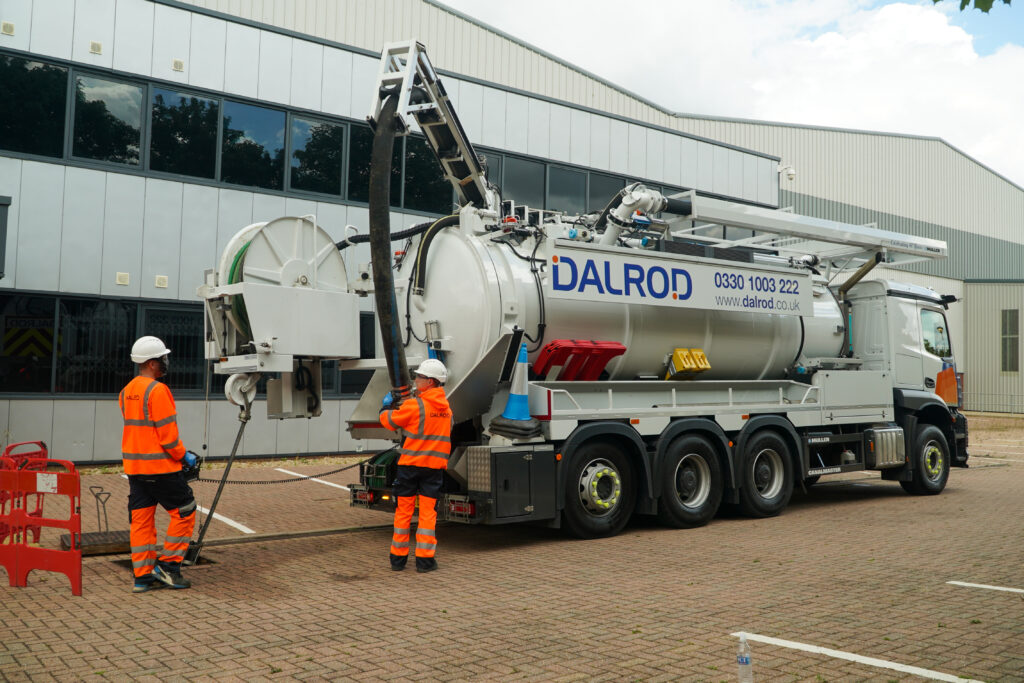
What Should You Look Out For?
There are several warning signs that your drainage system may already be struggling:
- Slow draining sinks, toilets, or gullies
- Water pooling around drains after rainfall
- Unpleasant smells
- Gurgling sounds coming from the pipework
- Repeated blockages in the same area
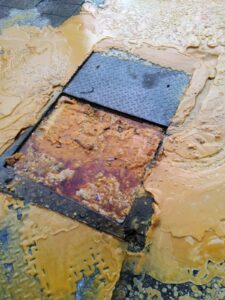
- Manholes or drain covers overflowing
- Unexplained damp areas around drainage points
Experiencing one or two of these signs might not necessarily mean you’re about to experience flooding, but they do need investigating before the weather really puts your drainage system to the test.
Prevention is Less Disruptive Than an Emergency
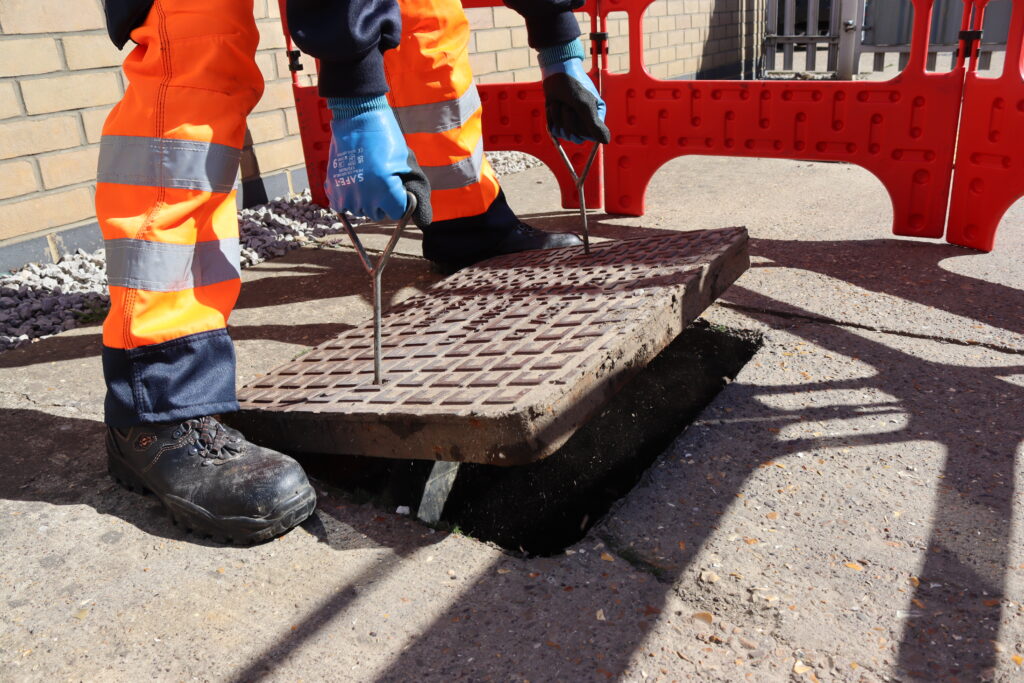 Nobody wants to discover a drainage problem when heavy rain is already falling.
Preventative maintenance can be one of the simplest ways to reduce the risk of drainage emergencies. This is particularly important for businesses and sites that rely heavily on their drainage infrastructure.
That’s where pre planned maintenance (PPM) comes in. Rather than waiting until something fails, a PPM programme allows your system to be inspected and maintained at regular intervals.
Depending on the site and its individual requirements, this can include CCTV surveys, routine cleaning and flushing, and identification of potential problems before they develop into something disruptive.
After a prolonged period of hot, dry weather, it’s a particularly sensible time to make sure your drains are ready for whatever the weather brings next.
External Drains Shouldn’t Be Ignored
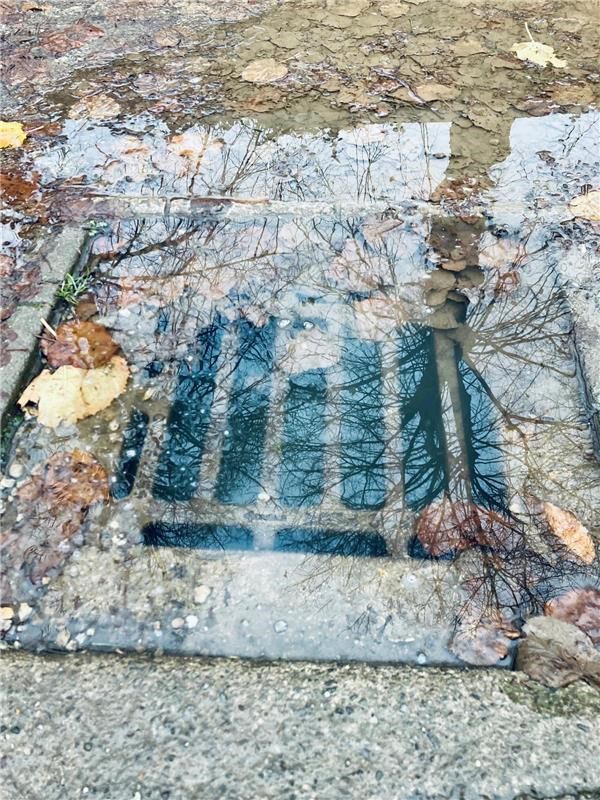
When we think about drainage problems, it’s easy to focus on toilets and sinks. However, external gullies, surface water drains and any outdoor drainage system will be doing a lot of work when rain arrives.
Leaves, soil, litter, dry leaves and other debris can accumulate around drainage points during dry weather. This potentially restricts the flow of water exactly when those drains are needed most.
Before the rain arrives, it may be useful to look for signs such as debris covering drain covers, or water already pooling in certain areas. Identifying these issues early could help reduce the risk of problems when rain increases.
If The Worst Does Happen…
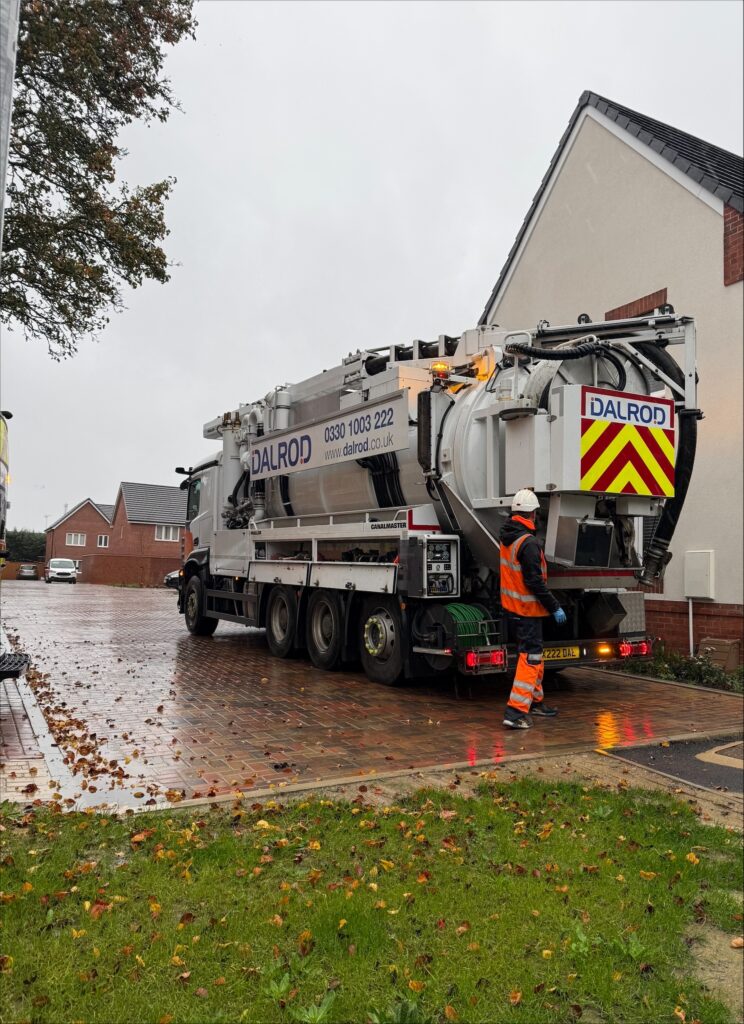
Sometimes, despite preventative measures, emergencies still occur.
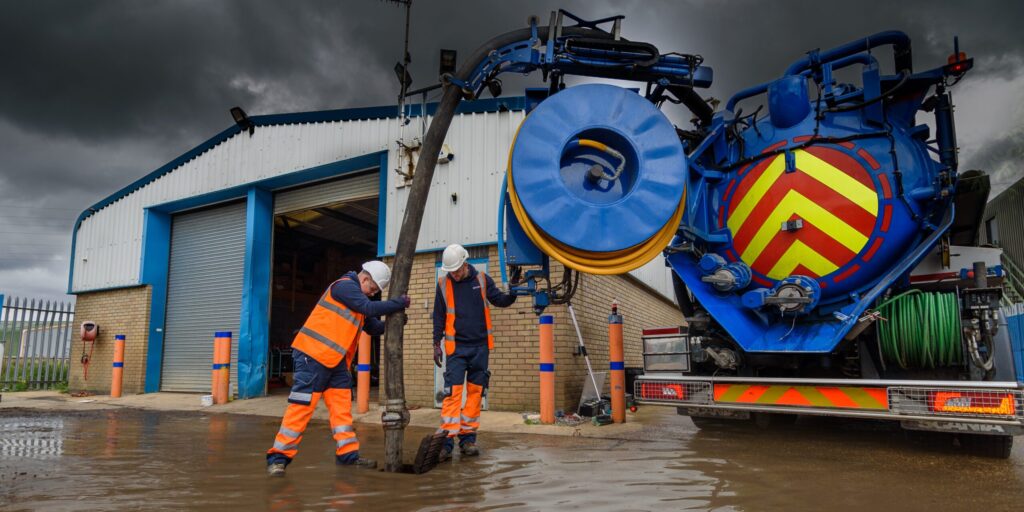
That’s why DALROD provides a 24/7 emergency response, with local technicians available throughout the country to respond to urgent drainage problems.
Getting professional help quickly can help minimise disruption and prevent a relatively small problem from becoming a much bigger one.
Rain is Welcome, Flooding Isn’t
After the recent weather, rain will be providing a much-needed relief for many of us. However, heavy rainfall can also expose drainage problems that have been developing slowly beneath the surface.
If you’re unsure of whether your drains are ready to cope with a sudden downpour or the upcoming Autumn/Winter period, now is the right time to book an inspection.
Whether it’s an emergency callout, or a PPM enquiry, contact us today to speak to your local team.